I. Thin as a Cicada’s Wing, Strong Enough to Bear a Thousand Jun: What Is Ultra-Thin Capacitor Film?
Black-tech ultra-thin capacitor film makes its dazzling debut!
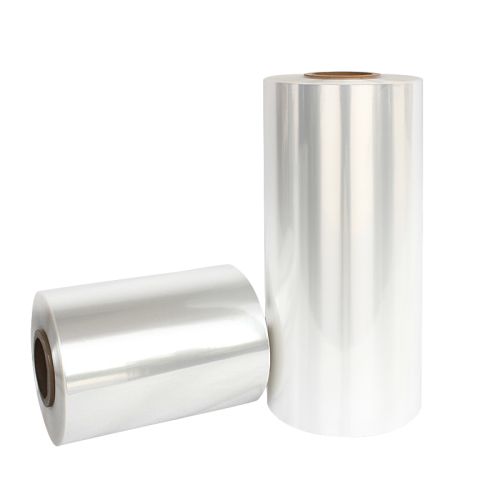
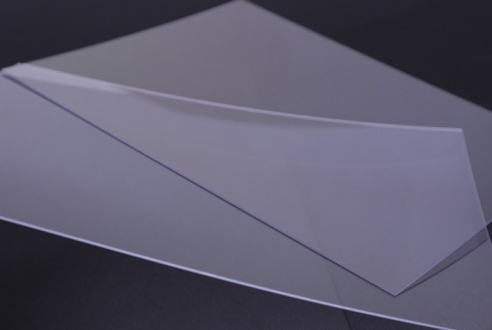
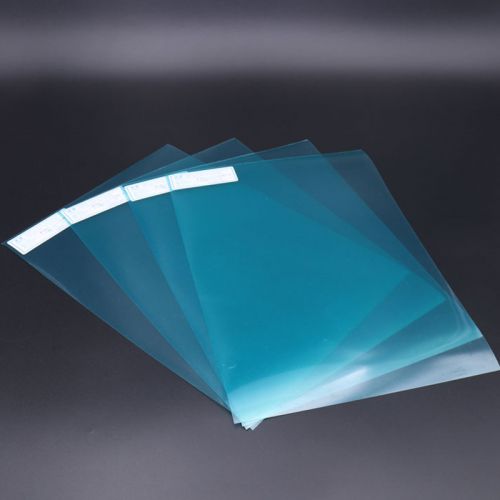
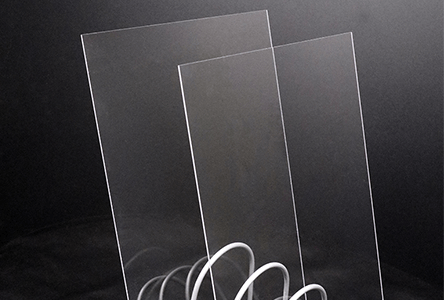
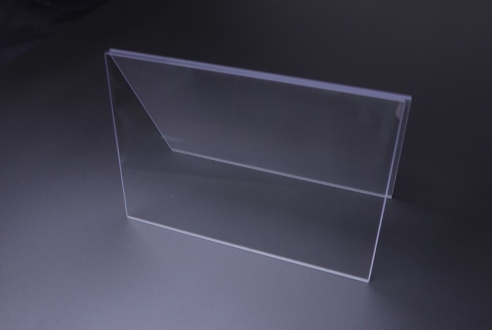
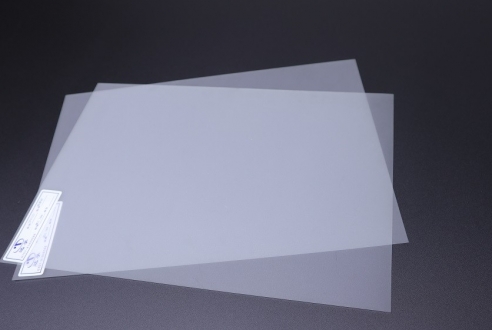
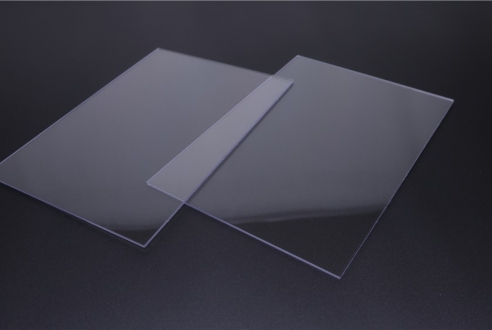
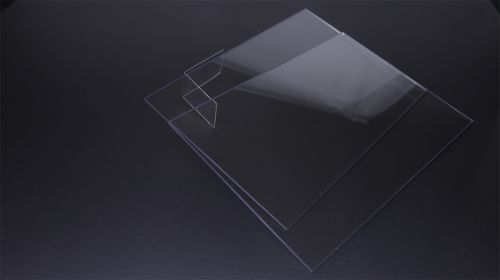
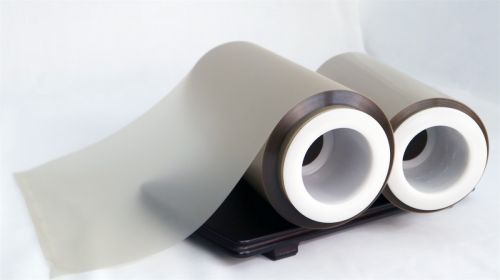
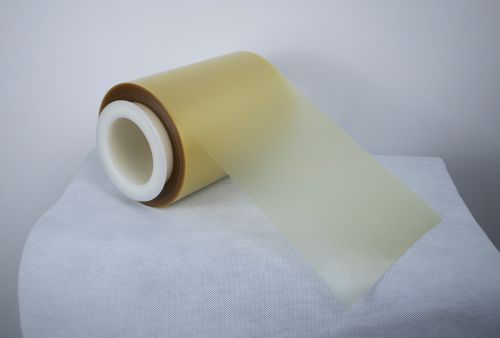
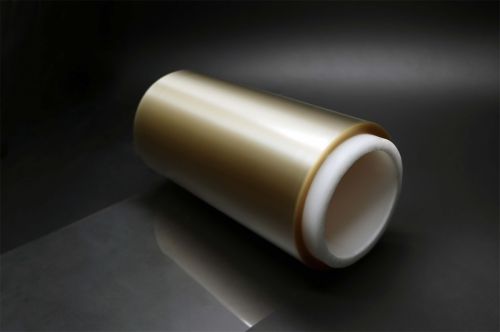
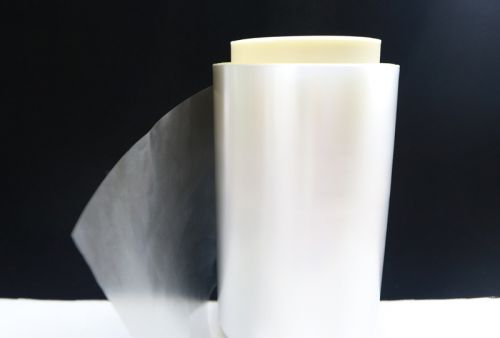
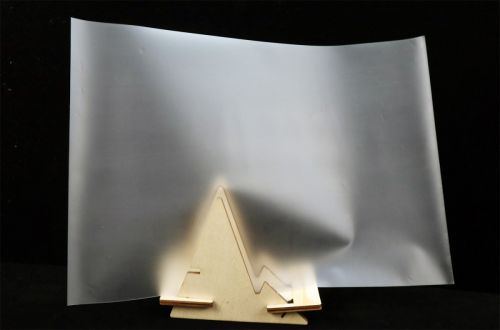
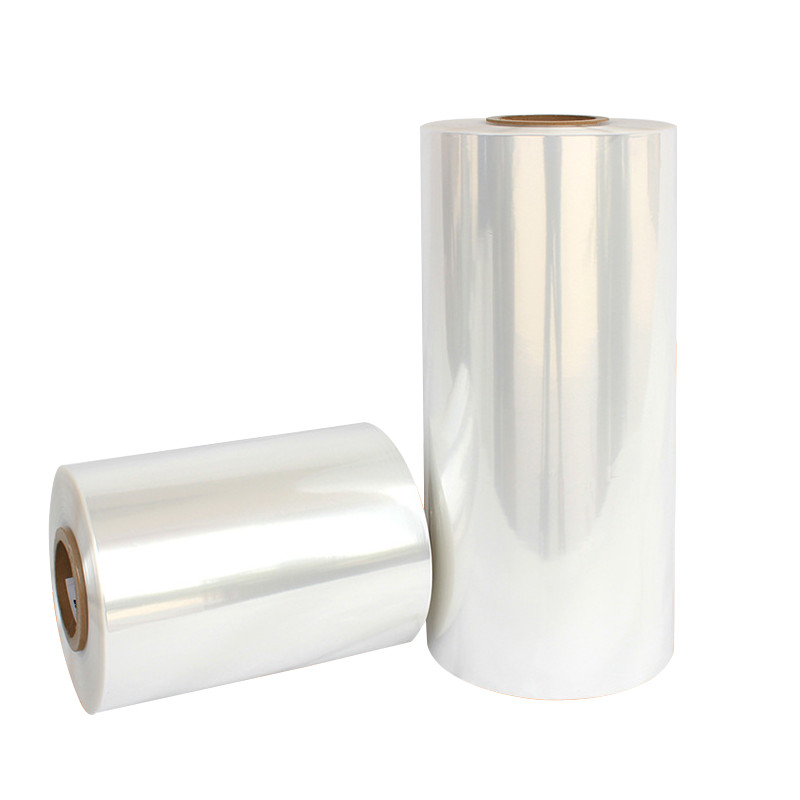
Precision-engineered to just 1/30 the diameter of a human hair, this remarkable proportion visually illustrates the film’s extreme thinness. As the core material in film capacitors, it is mainly produced from polypropylene (PP), polyester (PET), and similar polymers via a biaxial stretching process. The result is a film with high-temperature resistance, moisture and humidity durability, high voltage endurance, low dielectric loss, and strong self-healing properties — all of which directly determine the capacitance stability and lifespan of the capacitor.
How Difficult Is the Technological Breakthrough?
- Process Limits: The thinner the film, the higher the risk of breakage. Dafu has overcome this challenge through a breakthrough in the flat-film biaxial stretching process, using ultra-high-purity polypropylene resin to produce films with nanometer-level thickness. The tolerance is controlled to ±0.05 μm, and product uniformity has reached internationally leading levels.
- Equipment Dependence: Most high-end production lines still rely on imported equipment, and the expansion cycle for domestic manufacturers is long, creating a supply-demand gap.

II. Rise of Domestic Innovation: The “Counterattack” Journey of China’s Ultra-Thin Capacitor Film
- Breaking Technological Barriers, Shattering Monopolies Through sustained R&D investment and process innovation, domestic players like Dafu New Materials have overcome core technical hurdles—such as nano-scale thickness control and uniformity—reducing reliance on foreign technologies and paving the way for localized mass production.
- Explosive Market Growth The global film capacitor market is experiencing robust expansion. Widespread adoption in new energy vehicles, along with rapid developments in solar and wind energy, has driven soaring demand for film capacitors. In the new energy sector alone, annual compound growth rates exceed 25%, fueled by EVs, photovoltaics, and wind power installations.
- Policy and Regulatory Drivers Industrial Policies: Government support for strategic sectors such as new energy vehicles, renewable energy, and electronic information has accelerated industrial growth, indirectly boosting demand for ultra-thin capacitor films. Environmental Regulations: Ultra-thin capacitor films align with environmental protection and energy-saving goals. Implementation of stricter eco-regulations encourages broader adoption of BOPP ultra-thin capacitor films across industries, creating favorable conditions for market development.

III. How Ultra-Thin Capacitor Film Powers the New Energy Revolution
- New Energy Vehicles: The “Invisible Heart” of Every Car As global sales of new energy vehicles (NEVs) surge, the demand for ultra-thin capacitor films continues to grow—especially in critical systems such as battery management systems (BMS) and drive motor controllers. These components require high-performance capacitors to ensure safety, efficiency, and longevity. With the increasing variety and volume of NEV models reaching consumers, the need for reliable, high-quality ultra-thin capacitor films is expanding in lockstep. Market Explosion: By 2025, the global penetration rate of electric vehicles is projected to reach 23%, further accelerating demand in this sector.

Renewable Energy Sector: The “Stabilizer”
As the installed capacity of solar and wind power continues to expand, energy storage systems have become essential to balance supply and demand. BOPP ultra-thin capacitor films play a key role in these systems, storing electrical energy and helping to smooth out the intermittency and instability inherent in renewable generation. With the rapid construction of photovoltaic power stations and wind farms across China and around the world, demand for these high-performance films is rising steadily.

Future Track — Smart Grid
- Smart Grid: The accelerated development of smart grid infrastructure requires large quantities of capacitors to ensure stable transmission and distribution of electrical energy. Ultra-thin capacitor films, with their high voltage endurance, low dielectric loss, and long-term reliability, are critical for meeting these demands.
- Telecommunications: The widespread deployment of 5G networks has led to a significant increase in the number of communication base stations, while wireless charging and other advanced applications are becoming more common. These trends drive urgent demand for high-performance, highly stable ultra-thin capacitor films. Looking ahead, the evolution toward 6G and beyond will further boost the need for even more advanced film materials in communication equipment.

IV. Foshan Dafu: Pioneer in Breaking Barriers for Domestic High-End Films
- Corporate Strength Founded in 2009, Foshan Dafu New Materials Co., Ltd. is a specialized, sophisticated, innovative, and high-tech enterprise focused on the R&D and manufacture of specialty engineering plastic films and optical-grade films. The company has established the Guangdong Provincial Engineering Research Center for High-Performance Engineering Plastic Films and was one of the principal drafters of China’s national standard for Polycarbonate Film and Sheet(GB/T 35450-2017).
Dafu operates multiple production lines for PEEK film, PEI film, PPSU film, PSU film, PPO film, ultra-thin capacitor film, PC/PMMA composite sheets, and optical-grade polycarbonate PC film/sheet. Its products are widely used in new energy, optoelectronics, 5G smartphones, medical devices, autonomous driving, and other fields. They have entered the supply chains of leading global brands such as Huawei, Samsung, Vivo, OPPO, Xiaomi, Transsion, and Midea.
Over the years, Dafu has remained committed to independent R&D and innovation, guided by a business philosophy that is market-oriented, technology-driven, and talent-based. By continuously developing new materials and processes, the company ensures its core technologies remain at the forefront of the industry, meeting customers’ personalized needs for special, novel, and high-performance products—achieving mutual success through collaboration.

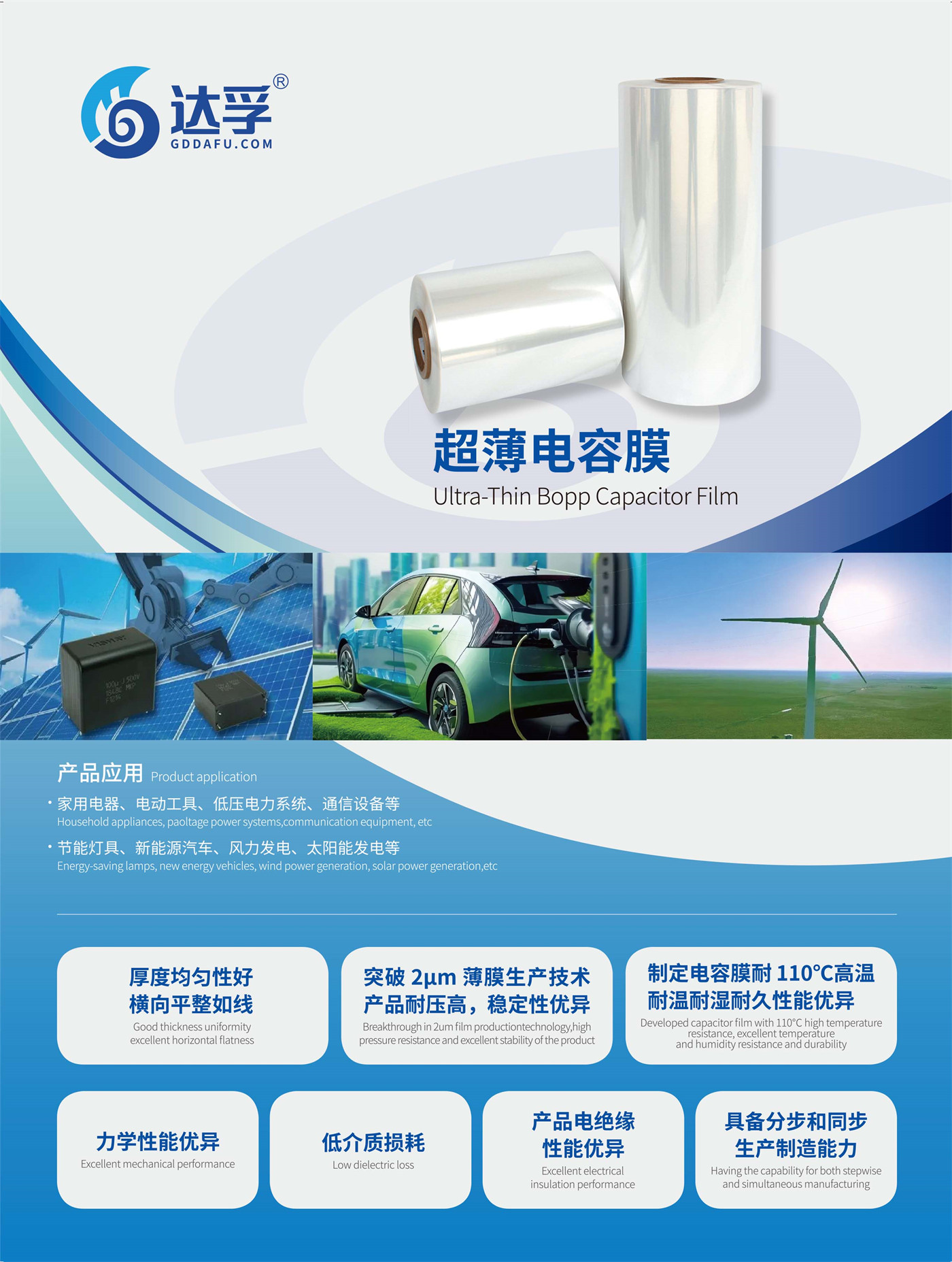
Dafu New Materials · Ultra-Thin Capacitor Film:
① Breakthrough in 2 μm film production technology, delivering high voltage endurance and outstanding stability;
② Excellent thickness uniformity, with lateral flatness comparable to a straight line;
③ Meets standards for withstanding 110 °C high temperature, demonstrating superior heat, humidity, and long-term durability;
④ Outstanding mechanical properties;
⑤ Low dielectric loss;
⑥ Exceptional electrical insulation performance;
⑦ Equipped with both stepwise and synchronous production manufacturing capabilities.
Conclusion
A film thinner than 1/30 the diameter of a human hair is, in fact, the “invisible backbone” of the new energy revolution. Chinese companies are winning the battle through extreme thinness, reshaping the global supply chain landscape. As the waves of ultra-thin, intelligent, and green technology sweep across the industry, this “Chinese film” is destined to unleash even greater energy and impact in the years ahead!