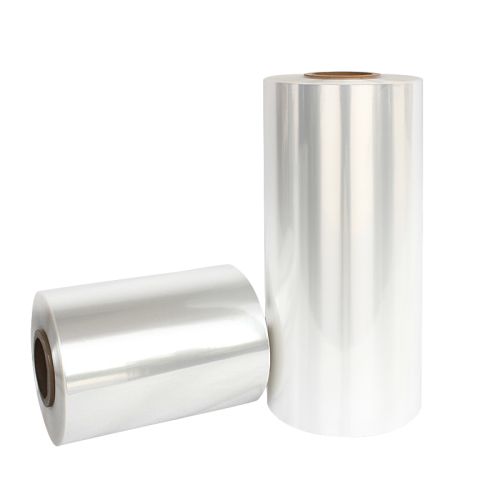
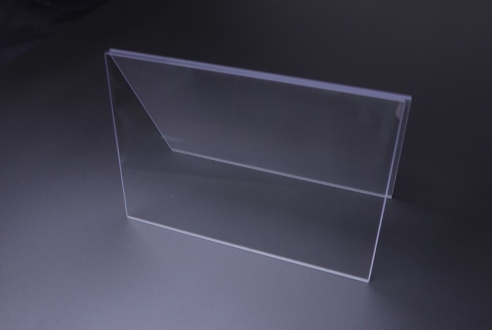
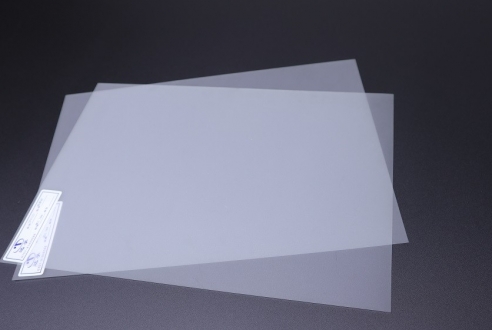
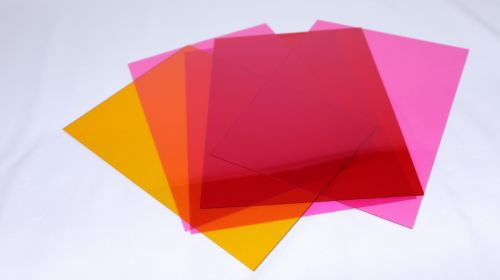
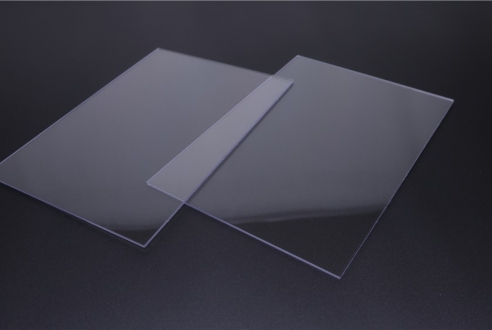
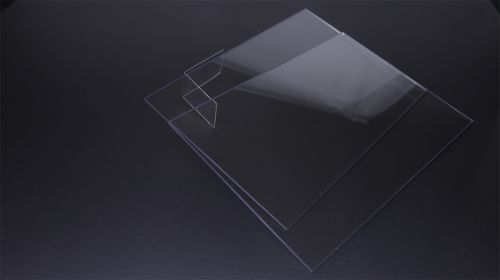
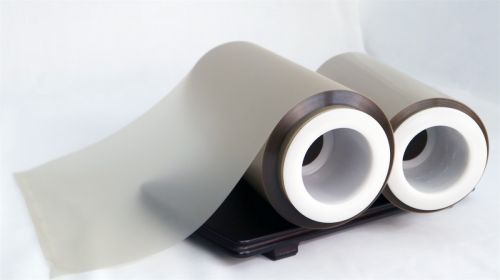
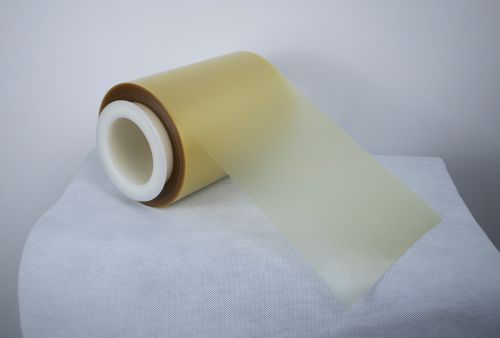
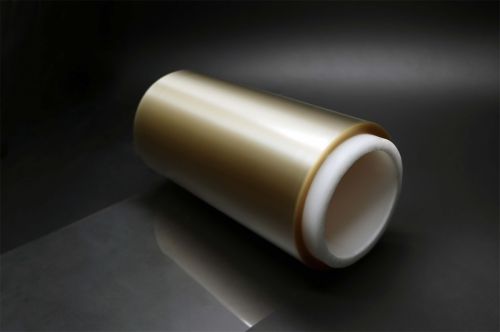
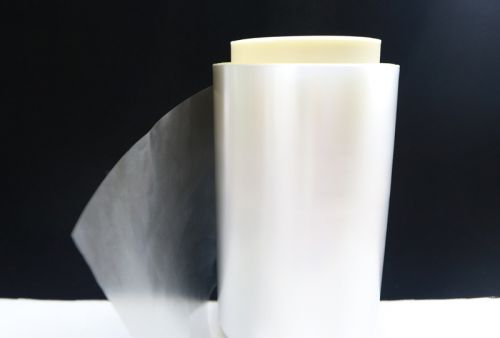
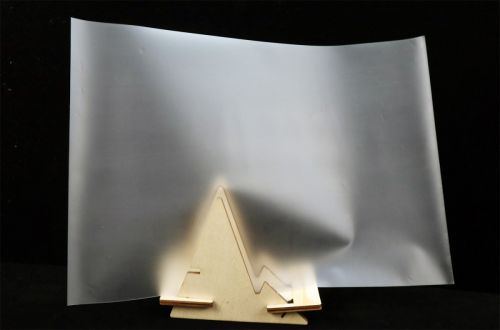
Deep inside the battery pack of a new energy vehicle, a special film—thinner than a strand of hair—silently guards battery safety. In the energy storage systems of 5G base stations, a transparent material acts as a barrier against intense heat and chemical corrosion. Inside the core components of wind turbines, flexible insulating films withstand the relentless assault of extreme environmental conditions...
These seemingly inconspicuous materials are, in fact, the unsung heroes of the new energy revolution—functional films. As a behind-the-scenes driver of this green transformation, Foshan Dafu New Materials Co., Ltd. has been quietly dedicated to this field for over a decade, emerging as a key player in China’s new energy functional film sector.
01 Breaking Bottlenecks: Dafu’s Functional Film Matrix
The rapid growth of the new energy industry has placed unprecedented demands on critical materials. Traditional options often fall short in temperature resistance, insulation, and barrier performance—failing to meet the requirements of next-generation batteries, motors, and energy storage systems. These limitations have become bottlenecks hindering further progress.
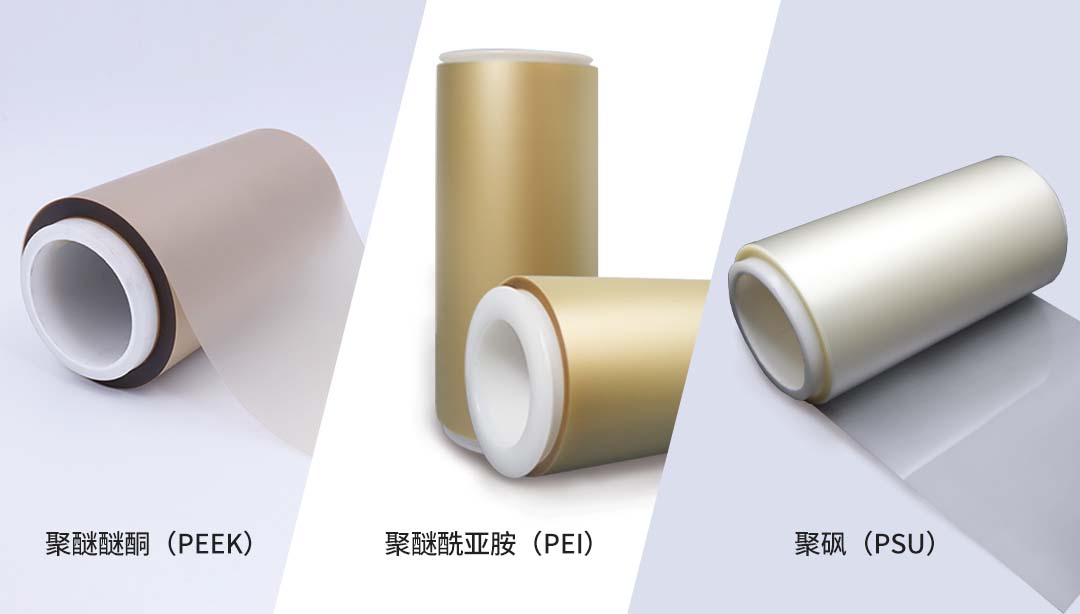
Stepping into Dafu’s product world, three core functional films form a solid technological moat in the new energy sector:
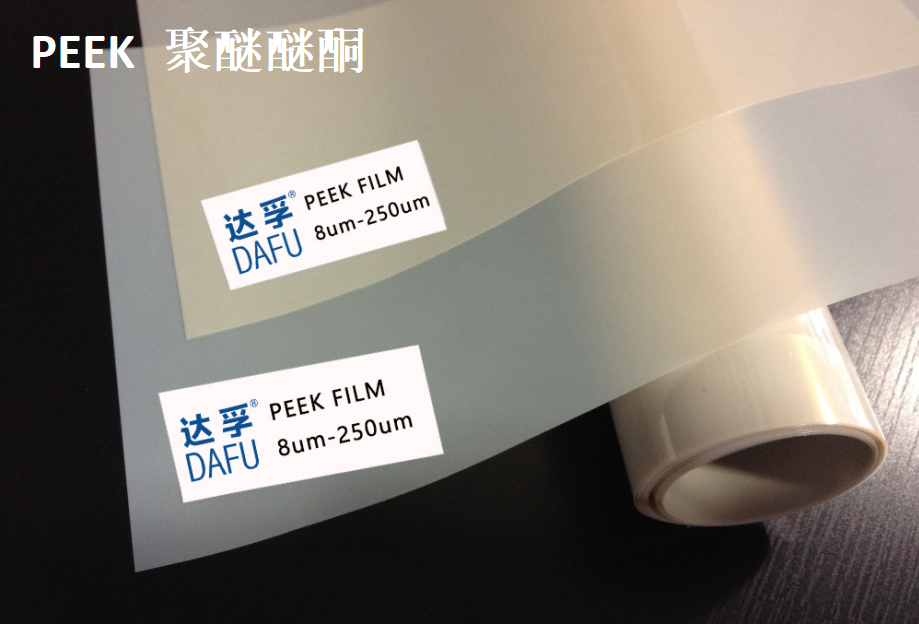
- PEEK Film: A high-performance thermoplastic with exceptional high- and low-temperature resistance, melting point of 343 °C, and a long-term service temperature of up to 260 °C as recognized by UL (USA). Even at -198 °C, it maintains high strength, along with superb wear resistance and electrical insulation. It is the ideal choice for battery insulation layers in electric vehicles and for supercapacitor applications. Its excellent flame retardancy and low water absorption also address the critical issue of thermal runaway in battery systems.
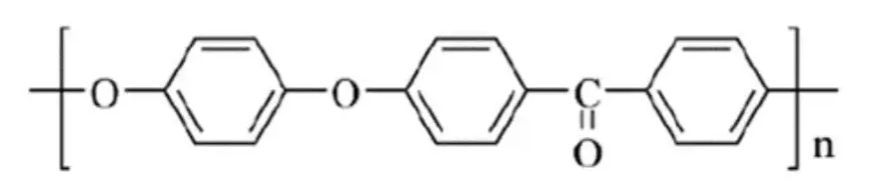
(PEEK Film Molecular Structure)
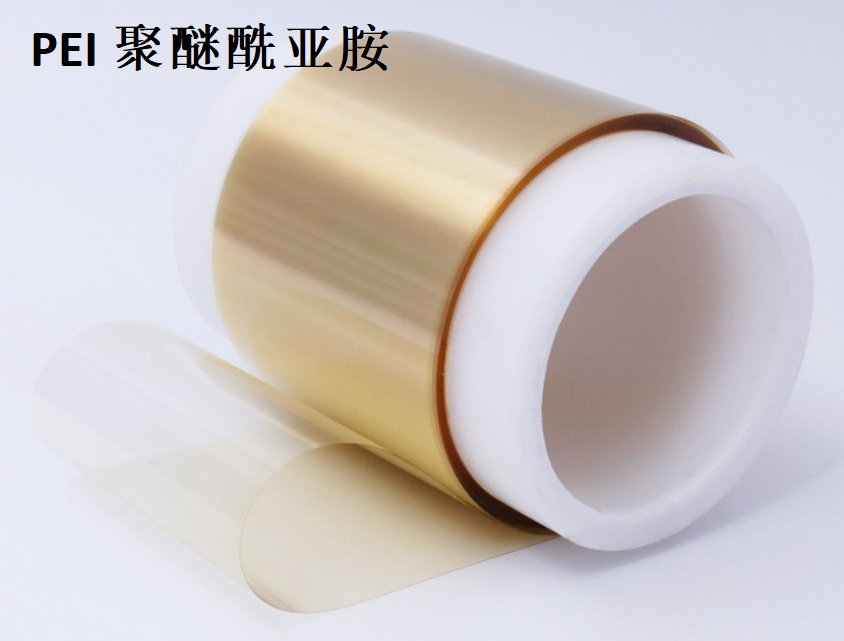
- PEI Film: Known as the “champion of heat resistance” in Dafu’s product lineup, PEI boasts exceptional thermal stability, creep resistance, and fatigue resistance. With a glass transition temperature of 217 °C and a long-term service temperature of up to 170 °C, it maintains a low and stable coefficient of linear thermal expansion across a wide temperature range, ensuring outstanding dimensional stability. This makes it especially effective in motor insulation systems and charging pile core modules, greatly enhancing equipment durability and safety.
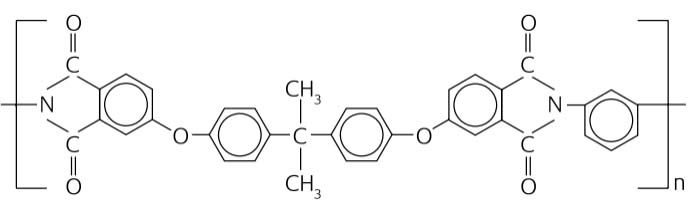
(PEI Film Molecular Structure)
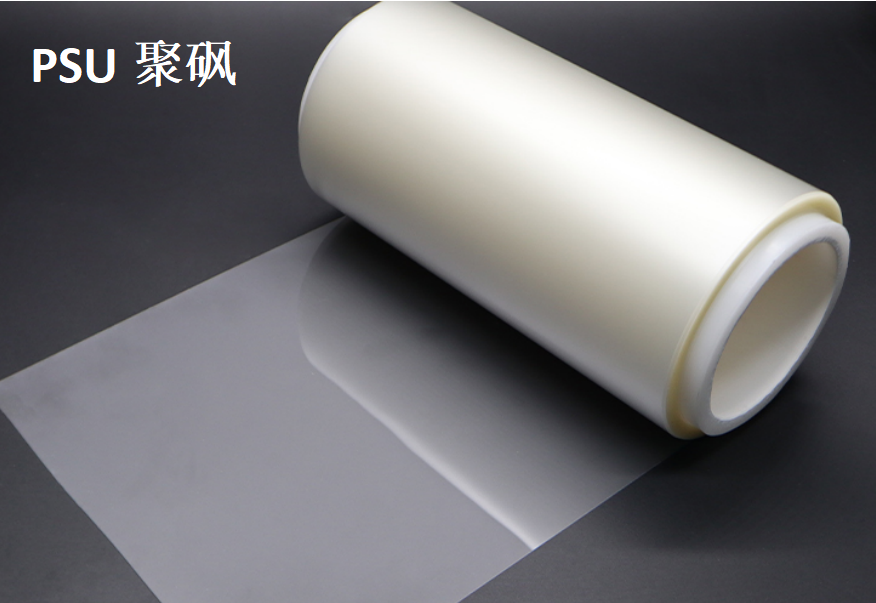
- PSU Film: Possesses excellent thermal stability, maintaining strong mechanical properties and dimensional integrity even under high-temperature conditions. It offers outstanding hydrolysis resistance and chemical stability, withstanding attack from various acids, alkalis, and organic solvents. With superior electrical insulation, low water absorption, halogen-free composition, ease of processing, and good flame retardancy, it is ideal for use in circuit breakers, relay components, and other electrical parts. Its high insulation performance and dimensional stability make it a core material in power transmission applications.
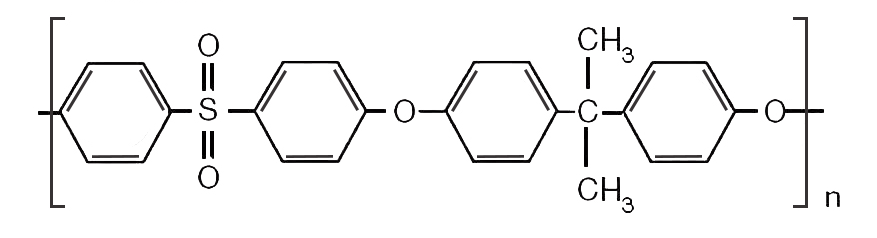
(PSU Film Molecular Structure)
While these films may appear simple, they are built upon extremely high technical barriers. Taking PEEK film as an example, its production requires precise control of molecular orientation and crystallinity to ensure consistent performance under extreme conditions.
02 Tackling Technical Challenges: From Catch-Up to Leadership
Established in 2009, Foshan Dafu New Materials Co., Ltd. is a specialized, sophisticated, innovative, and high-tech enterprise focused on the R&D and manufacture of specialty engineering plastic films and optical-grade films. The company has set up the Guangdong Provincial Engineering Research Center for High-Performance Engineering Plastic Films and was one of the principal drafters of China’s national standard for Polycarbonate Film and Sheet(GB/T 35450-2017).
Dafu operates multiple production lines for PEEK film, PEI film, ultra-thin capacitor film, polycarbonate (PC), and PC/PMMA composite sheets. Its main products include PEEK film, PEI film, ultra-thin capacitor film, PC/PMMA composite sheet, and polycarbonate PC film/sheet, which are widely used in new energy vehicles, optoelectronics, 5G smartphones, medical devices, autonomous driving, and many other fields. The company’s products have entered the supply chains of major global brands such as Huawei, Samsung, Vivo, OPPO, and Transsion.
03 Comparison of Core Properties and Applications of Three Key Films
| 特性 | PEEK Film | PEI薄膜 | PSU薄膜 |
| Core Properties | • Excellent high- & low-temperature resistance (melting point 343 °C, usable up to 260 °C long-term, retains strength at -198 °C)
• Super wear resistance & electrical insulation
• Flame retardant, low water absorption, chemical solvent resistant, radiation resistant | • Outstanding heat resistance, creep resistance, fatigue resistance
• Glass transition temp. 217 °C, long-term use up to 170 °C
• Low & stable linear thermal expansion → excellent dimensional stability | •Good thermal stability & mechanical strength retention at high temps
• Excellent hydrolysis & chemical resistance (acids, alkalis, organics)
• High electrical insulation, low water absorption, halogen-free, flame retardant, easy processing |
| Typical Applications | • Battery insulation layers in electric vehicles
• Supercapacitor dielectric films
• Thermal runaway prevention in battery packs | • Motor insulation systems
• Charging pile core modules
• High-temp electronic components requiring precision fit | • Circuit breakers & relay components
• Power transmission equipment
• Harsh-environment electrical insulation |
| | | |
·
Strategic Positioning of Dafu’s Three Core Films
- PEEK Film: Excels in extreme working conditions, such as aerospace and nuclear energy applications, where uncompromising performance under severe stress and temperature is essential.
- PEI Film: Well positioned in high-growth sectors like hydrogen energy and 5G infrastructure, offering a balance between high-frequency operation and corrosion resistance.
- PSU Film: Dominates safety-critical fields such as medical devices and food processing, leveraging its biocompatibility and clarity.
Although these three film types share overlapping properties, their industrial roles are becoming increasingly distinct: PEEK leads with ultimate performance limits, PEI shines in harmonizing high-frequency stability with chemical resistance, and PSU stands out for bio-safety and optical transparency. Looking ahead, in emerging convergence areas such as new energy (e.g., solid-state battery separators) and biomanufacturing, composite materials are likely to become the key to breakthrough innovation.
04 The Future Is Here: A New Era of Green Energy Materials
With the global push toward carbon neutrality under the “dual-carbon” strategy, demand for functional films in the new energy sector is growing exponentially. Competition in the global new energy industry has entered deeper waters, where core materials have become the decisive factor in gaining a competitive edge.
Behind every roll of Dafu’s film lies not only years of technical expertise but also the ambition to transform “Made in China” into “Created in China.” Dafu will continue to provide safer, more efficient, and more environmentally friendly film solutions for new energy vehicles, energy storage, and renewable energy applications.
In the upstream of the new energy industry, technological breakthroughs by material suppliers are often more challenging—and more valuable—than innovations in end products. These invisible advances are the true cornerstones supporting the green revolution.