Abstract
Polysulfone (PSU) has emerged as one of the most versatile high-performance thermoplastics in the engineering materials landscape. With the global Polysulfone (PSU) market valued at approximately USD 2.28 billion in 2025 and projected to reach USD 4.06 billion by 2035, this amorphous engineering plastic continues to gain traction across medical, automotive, water treatment, electronics, and aerospace sectors. Characterized by a glass transition temperature of 185°C, exceptional dimensional stability, inherent flame retardancy, and outstanding chemical resistance, PSU plastic offers engineers a reliable solution for the most demanding applications. This article explores the current market dynamics, emerging applications, and future innovations surrounding Polysulfone (PSU), with particular emphasis on how this remarkable material is shaping the future of high-performance engineering.
The global Polysulfone (PSU) market is experiencing robust growth, driven by increasing demand from diverse end-use industries. The sulfone polymers market, which encompasses PSU, PESU, and PPSU, was valued at approximately USD 1.3 billion in 2025, with the Asia-Pacific region leading global demand. Industry analysts project the Polysulfone (PSU) segment alone could reach USD 1 billion by 2030, growing at a compound annual growth rate (CAGR) of 6.4%.
Several factors are fueling this growth trajectory. The increasing adoption of PSU plastic in electric vehicle components, the expanding medical device market, rising demand for advanced water filtration membranes, and the material's superior performance in high-temperature electronics applications are all contributing to the sustained market expansion. Additionally, the development of circular economy initiatives and sustainable manufacturing processes is opening new opportunities for Polysulfone (PSU) producers.
Polysulfone (PSU) in Medical Applications: Saving Lives Through Innovation
One of the most significant and impactful applications of Polysulfone (PSU) is in the medical and healthcare sector. PSU plastic's biocompatibility, sterilizability, and chemical resistance make it an ideal material for critical medical devices and components.
Hemodialysis and Blood Filtration
Polysulfone (PSU) has become the material of choice for hemodialysis membranes, where its unique combination of properties enables life-saving blood purification treatments. PSU membranes are widely used in commercial dialyzers, offering specific performance characteristics tailored to patient needs. Recent research has focused on enhancing the performance of Polysulfone (PSU) dialysis membranes through various modifications. Studies have explored additive-free preparation of hemodialysis membranes from silibinin-modified polysulfone polymer, demonstrating enhanced anti-oxidative stress and hemocompatibility. Electrospun membranes based on quaternized polysulfones are also being developed, establishing foundations for future medical applications.
The ability of Polysulfone (PSU) to withstand repeated sterilization cycles without degradation makes it invaluable in healthcare settings. PSU plastic is also employed in ultrafiltration membranes, sterile filtration membranes, and various pharmaceutical processing equipment.
Orthopedic and Implantable Devices
Beyond filtration, Polysulfone (PSU) is making inroads into orthopedic applications. Leading material suppliers are now supplying specialized grades of Polysulfone (PSU) for use in knee replacements and other implantable devices. The material's combination of strength, biocompatibility, and radiolucency makes it particularly suitable for such demanding medical applications.
Polysulfone (PSU) in Automotive and Electric Vehicles
The automotive industry's shift toward electrification and lightweighting has created significant opportunities for Polysulfone (PSU). As a high-performance engineering plastic, PSU offers the thermal stability, mechanical strength, and chemical resistance required for next-generation vehicle components.
Electric Vehicle Components
Polysulfone (PSU) is increasingly specified for electric vehicle (EV) applications, where its high-temperature resistance and dimensional stability make it suitable for battery components, electrical connectors, and high-performance automotive parts. The material's ability to maintain mechanical integrity at elevated temperatures is particularly valuable in EV battery systems, where thermal management is critical.
Under-the-Hood Applications
In conventional and hybrid vehicles, Polysulfone (PSU) is valued for its resistance to fuels, oils, and other automotive fluids. Common PSU applications in the automotive sector include headlamp rings, fog lamp reflectors, oil pumps, oil filter system membranes, fuel pump housings, and various electrical components.
The lightweight nature of PSU plastic, combined with its durability, helps automakers reduce vehicle weight while maintaining performance and safety standards. As the automotive industry continues to pursue sustainability goals, Polysulfone (PSU) is positioned to play an increasingly important role.
Polysulfone (PSU) in Water Treatment and Membrane Filtration
Water scarcity and the need for clean water have driven significant innovation in membrane filtration technologies, with Polysulfone (PSU) at the forefront of these developments. PSU membranes are widely employed in desalination, wastewater treatment, and water purification applications due to their mechanical strength and chemical stability.
Advanced Membrane Technologies
Recent research has focused on enhancing the performance of Polysulfone (PSU) membranes through various modification strategies. Studies have investigated the incorporation of silica nanoparticles and silicon-silver nanocomposites to improve PSU membrane performance. Carbon nanotube composites have also been developed for manufacturing ultrafiltration membranes capable of removing pollutants from water.
Heat post-treatment methods have been applied to modify the structural properties of Polysulfone (PSU) electrospun nanofibrous membranes, improving their filtration performance for wastewater treatment applications. In water treatment applications, PSU membranes effectively remove algal toxins and heavy metals, with surface modifications improving hydrophilicity and antifouling properties.
Sustainability Initiatives
The industry is also embracing sustainability through circular economy initiatives. Leading suppliers are partnering with filtration manufacturers to replace fossil-based Polysulfone (PSU) with circular grades in water treatment membranes. These circular PSU materials are designed for a wide range of water treatment installations, from municipal water supply to industrial desalination projects.
Polysulfone (PSU) in Electronics and Semiconductor Applications
The electrical and electronics sector represents a major market for Polysulfone (PSU), where the material's excellent electrical insulation properties, thermal stability, and dimensional precision are highly valued.
Semiconductor Manufacturing
Polysulfone (PSU) is used in semiconductor process equipment components, where its combination of high-temperature resistance and chemical resistance is essential. The material's stability in aggressive chemical environments and its ability to maintain dimensional precision make it suitable for analytical instrumentation and other precision applications.
Consumer Electronics
Polysulfone (PSU) is also finding applications in consumer electronics, including mobile phones, computers, and tablets. The material's inherent flame retardancy, combined with its electrical properties and dimensional stability, makes it suitable for electronic components that must meet stringent safety and performance standards.
Emerging Opportunities
The development of high-flow PSU grades and blends is enabling new possibilities for challenging electrical and electronics components. These innovations are facilitating the production of precision switches, circuit breakers, sensors, and other components with greater design freedom.
Material Innovations: The Future of Polysulfone (PSU)
Research and development efforts continue to expand the capabilities of Polysulfone (PSU), opening new application possibilities across industries.
Nanocomposites and Enhanced Properties
Recent studies have demonstrated significant improvements in Polysulfone (PSU) properties through nanocomposite development. High-performance transparent Polysulfone (PSU) nanocomposites enhanced with aramid nanofibers have shown improved toughness and flame retardancy. These advancements enable PSU plastic to meet even more demanding performance requirements while maintaining its inherent transparency.
Advanced Polymer Modifications
Researchers have developed new classes of phosphonated hydrocarbon polymers based on Polysulfone (PSU), synthesized through lithiation and Michaelis–Arbuzov reactions. These modifications expand the functional capabilities of PSU plastic for specialized applications.
In situ polymerization strategies have been employed to construct PSU/PA6 composites with simultaneously enhanced mechanical, thermal, and moisture-resistant properties. Such innovations are expanding the application envelope for Polysulfone (PSU) in demanding engineering environments.
Cross-Linked Systems
The design of well-defined cross-linked grids via alternating copolymerization of phenol end-functionalized Polysulfone (PSU) oligomers with benzoxazine monomers represents another frontier in PSU research. These cross-linked systems offer enhanced thermal and mechanical performance for specialized applications.
Polysulfone (PSU) vs. PESU vs. PPSU: Understanding the Sulfone Polymer Family
While Polysulfone (PSU) is the foundational member of the sulfone polymer family, each variant offers distinct advantages:
- Polysulfone (PSU) – Offers an excellent balance of thermal stability (continuous use to 160°C), mechanical strength, chemical resistance, and cost-effectiveness. PSU is naturally transparent and exhibits excellent electrical insulation properties.
- Polyethersulfone (PESU) – Provides the highest temperature resistance and tensile modulus among the three, with better chemical resistance and adhesion to metals. PESU is the fastest-growing polymer type, expanding at a 5.5% CAGR.
- Polyphenylsulfone (PPSU) – Offers the highest impact resistance and continuous use temperature (180°C), with growing demand driven by reusable, sterilizable, and circular applications.
The selection among these materials depends on specific application requirements, with Polysulfone (PSU) often representing the optimal balance of performance and value.
Dafu New Materials: Excellence in Polysulfone (PSU) Film Manufacturing
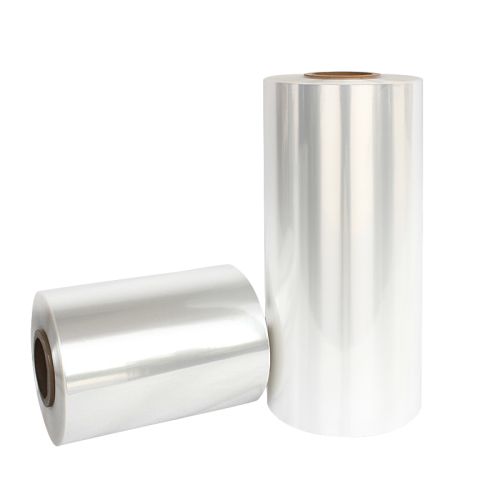
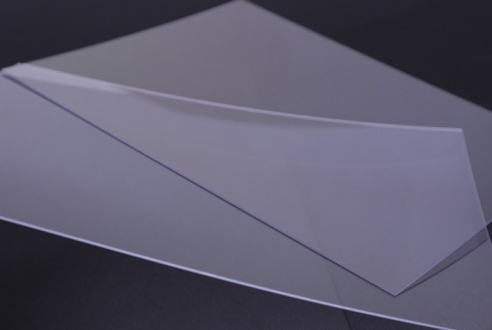
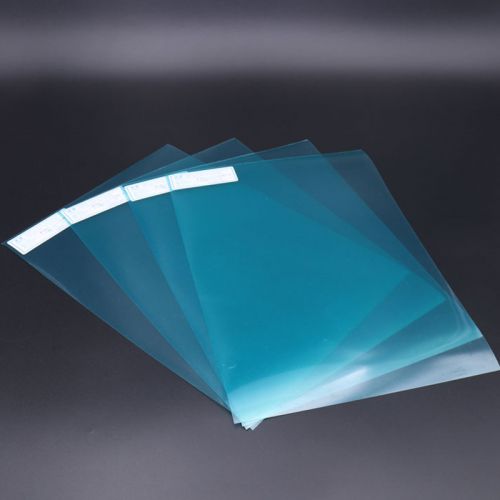
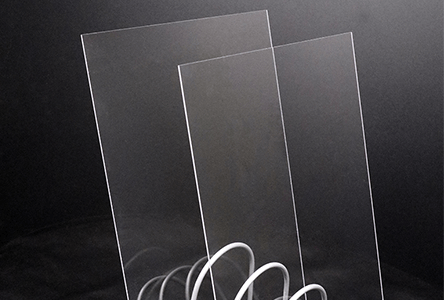
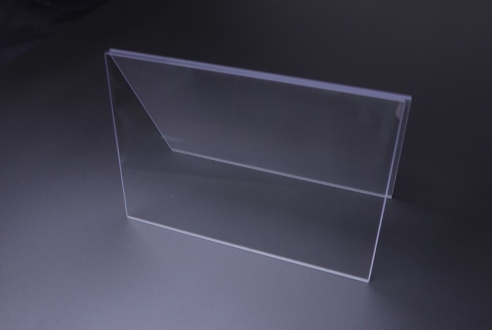
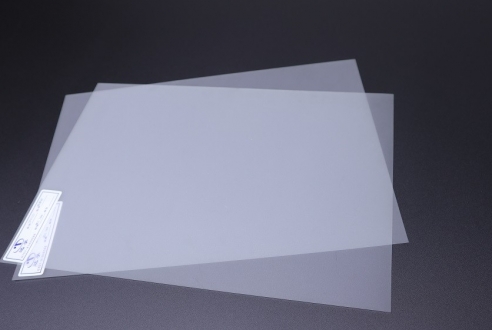
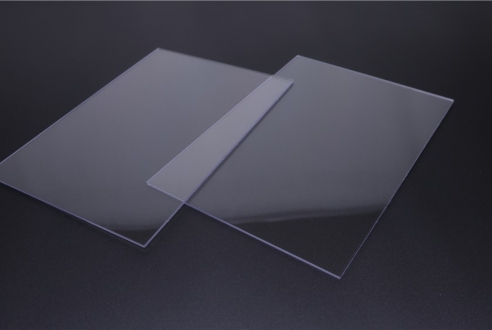
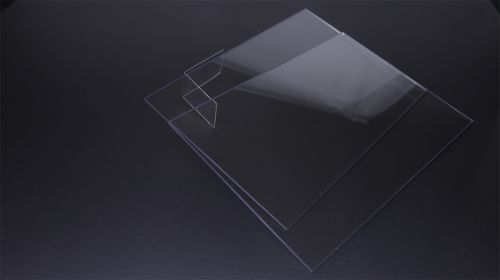
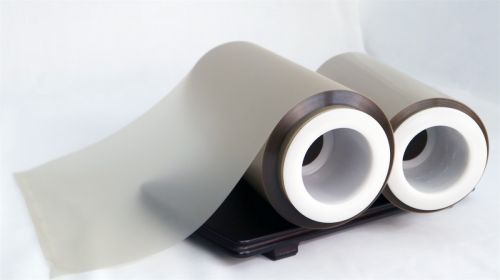
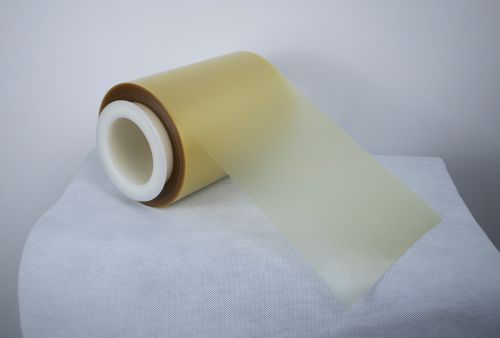
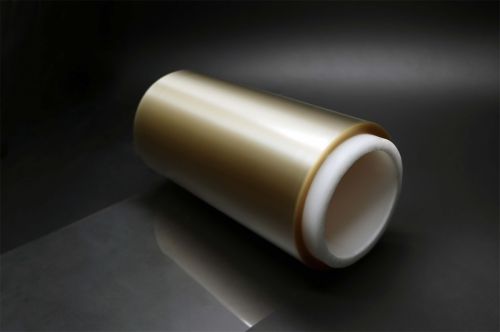
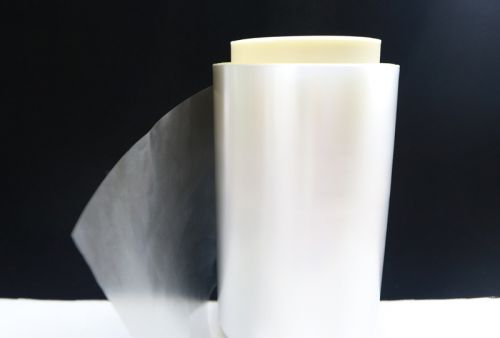
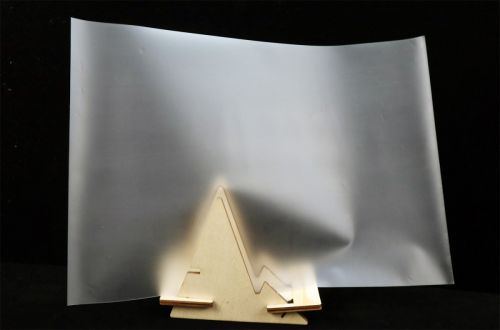
Dafu New Materials Co., Ltd. has established itself as a leading manufacturer of specialty engineering plastic films, including high-quality Polysulfone (PSU) film. The company's PSU film products embody the full spectrum of Polysulfone (PSU)'s exceptional properties:
- High-temperature resistance – Maintains performance at elevated temperatures
- Excellent mechanical properties – High strength and dimensional stability
- Hydrolysis resistance – Withstands exposure to moisture and steam
- Chemical resistance – Resists a wide range of chemicals
- Electrical insulation – Superior dielectric properties
- Wear resistance – Durability in demanding applications
- Flame retardancy – Inherently flame-retardant and halogen-free
- Low moisture absorption – Maintains dimensional stability
Dafu's commitment to quality and innovation has made it a trusted partner for industries requiring reliable high-performance thermoplastic solutions. The company's product portfolio includes PSU film, PPSU film, and PESU film, serving diverse applications across electronics, medical, automotive, and industrial sectors.
Conclusion
Polysulfone (PSU) has firmly established itself as a premier high-performance thermoplastic that continues to drive innovation across multiple industries. From life-saving medical devices and electric vehicle components to advanced water filtration membranes and precision electronics, PSU plastic offers engineers a unique combination of thermal stability, mechanical strength, chemical resistance, and electrical insulation properties that few materials can match.
The global Polysulfone (PSU) market's impressive growth trajectory – projected to reach approximately USD 4 billion by 2035 – reflects the material's indispensable role in modern engineering. As research continues to expand PSU's capabilities through nanocomposite development, polymer modifications, and sustainable manufacturing processes, Polysulfone (PSU) will undoubtedly play an increasingly important role in addressing the world's most challenging engineering requirements.