Abstract
Polysulfone (PSU) is an amorphous high-performance thermoplastic that has established itself as one of the most versatile engineering plastics in modern industry. With a glass transition temperature of approximately 185°C and the ability to maintain mechanical integrity across a temperature range of -100°C to 150°C, PSU plastic delivers exceptional performance where other materials fall short. This article provides a comprehensive overview of Polysulfone (PSU) properties, applications, and market significance, with particular emphasis on Dafu New Materials' advanced PSU film products. From electronic components and automotive parts to medical devices and food contact applications, Polysulfone (PSU) continues to demonstrate why it remains the material of choice for engineers seeking reliability, durability, and performance in extreme environments.
Introduction to Polysulfone (PSU): A Superior Engineering Plastic
Polysulfone (PSU) belongs to the family of sulfone polymers, which includes three commercially significant variants: Bisphenol A Polysulfone (PSU), Polyphenylsulfone (PPSU), and Polyethersulfone (PES/PESU). Among these, Polysulfone (PSU) stands out as the foundational member of the polysulfone family, offering an exceptional balance of thermal stability, mechanical strength, dimensional stability, and electrical insulation properties.
As an amorphous thermoplastic, Polysulfone (PSU) exhibits natural transparency and remarkable rigidity that sets it apart from conventional engineering plastics. The unique molecular structure of Polysulfone (PSU) – featuring sulfone groups and aromatic rings – imparts outstanding thermal and oxidative stability while providing excellent chemical resistance. This combination of properties makes PSU plastic an indispensable material across a diverse range of high-performance applications.
1. Outstanding Thermal Stability
One of the most remarkable characteristics of Polysulfone (PSU) is its exceptional heat resistance. With a glass transition temperature (Tg) around 185°C, PSU plastic can maintain its structural integrity at temperatures where many other thermoplastics would deform or degrade. Polysulfone (PSU) is suitable for continuous use at temperatures up to 160°C, with short-term exposure capabilities reaching 190°C. This extraordinary thermal stability makes Polysulfone (PSU) ideal for applications involving high-temperature environments, such as automotive engine compartments and electronic components subjected to heat generation.
2. Superior Mechanical Properties
Polysulfone (PSU) demonstrates tensile and flexural strengths significantly higher than standard engineering plastics. The mechanical properties of PSU plastic remain remarkably consistent across a broad temperature range from -100°C to 150°C. This exceptional performance includes:
- High tensile strength and tear resistance – Polysulfone (PSU) maintains its mechanical properties even under elevated temperatures
- Excellent creep resistance – PSU plastic exhibits minimal dimensional change under prolonged stress
- High impact resistance – Polysulfone (PSU) offers superior toughness compared to many other transparent engineering plastics
- Outstanding rigidity and strength – PSU maintains its structural integrity across a wide temperature spectrum
3. Remarkable Chemical Resistance
Polysulfone (PSU) exhibits excellent resistance to a wide range of chemicals, including mineral acids, alkalis, salt solutions, detergents, and hydrocarbon oils. This chemical stability makes PSU plastic particularly valuable in applications involving exposure to aggressive substances. Polysulfone (PSU) also demonstrates outstanding hydrolysis resistance, making it suitable for repeated steam sterilization and autoclavable applications. However, it should be noted that Polysulfone (PSU) can be attacked by certain polar organic solvents, including ketones, chlorinated hydrocarbons, and aromatic hydrocarbons.
4. Excellent Electrical Properties
Polysulfone (PSU) is renowned for its exceptional electrical insulation properties across a wide range of temperatures and frequencies. PSU plastic maintains its dielectric strength and insulating characteristics even in humid environments, where its electrical performance remains largely unaffected. This makes Polysulfone (PSU) an ideal material for electronic components, connectors, coil bodies, high-frequency insulators, and various electrical applications.
5. Other Notable Attributes
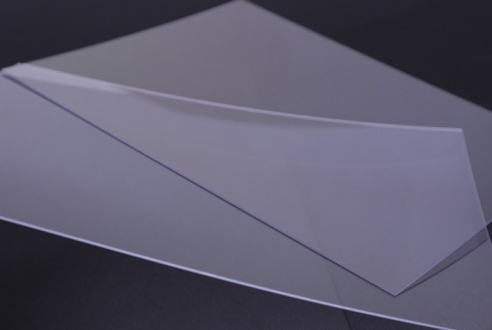
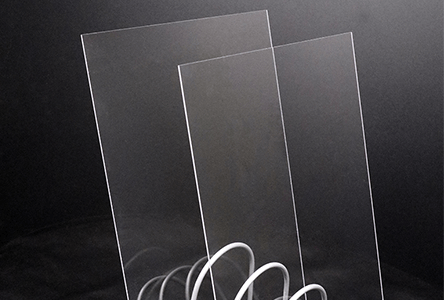
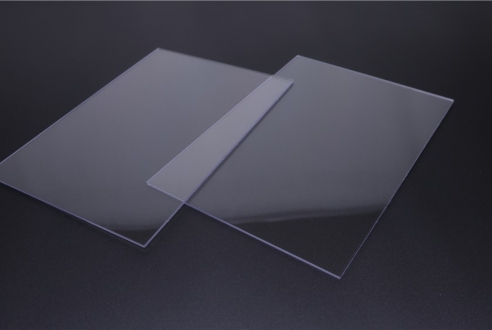
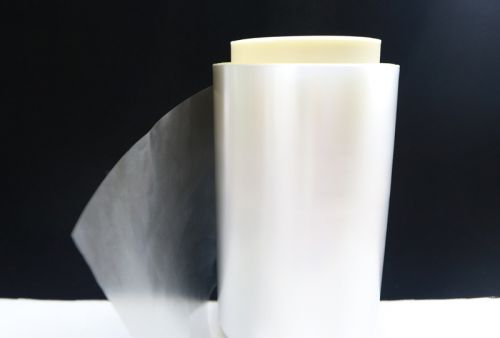
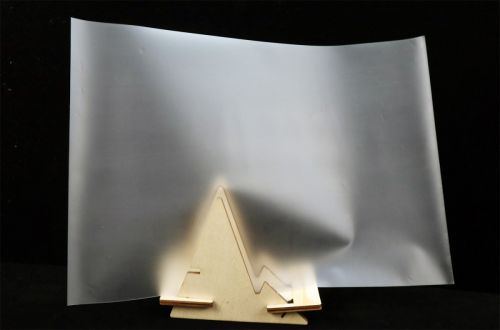
- Transparency – Polysulfone (PSU) is naturally transparent, with PSU film as thin as 0.2mm achieving light transmittance of up to 88%
- Radiation resistance – PSU plastic exhibits excellent resistance to gamma and electron beam radiation
- Low moisture absorption – Polysulfone (PSU) maintains dimensional stability in humid environments
- Flame retardance – PSU is inherently flame-retardant and self-extinguishing
- FDA compliance – Polysulfone (PSU) is approved for food contact applications
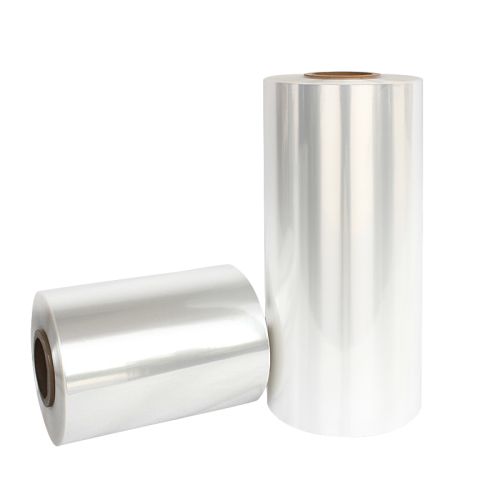
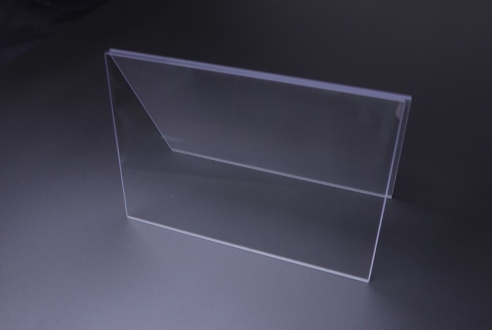
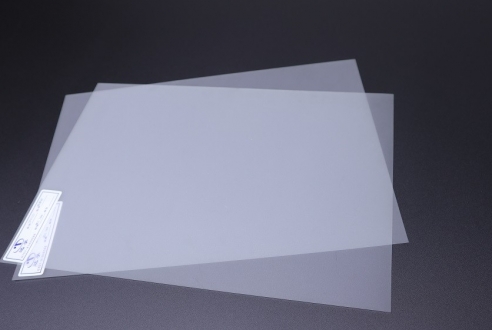
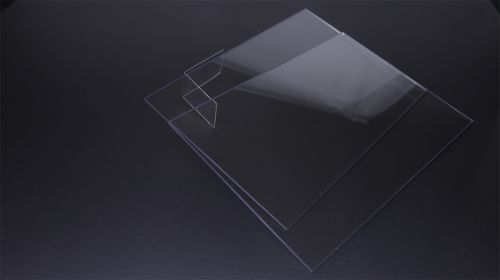
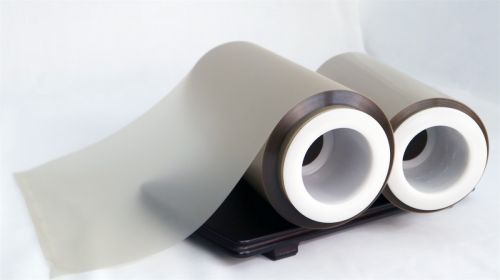
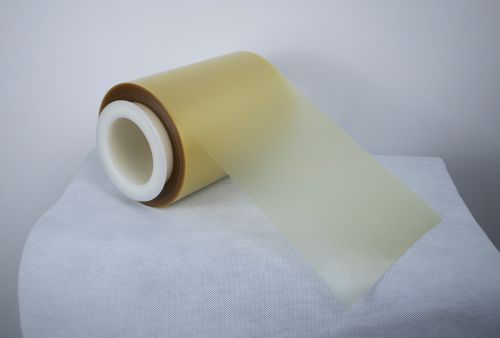
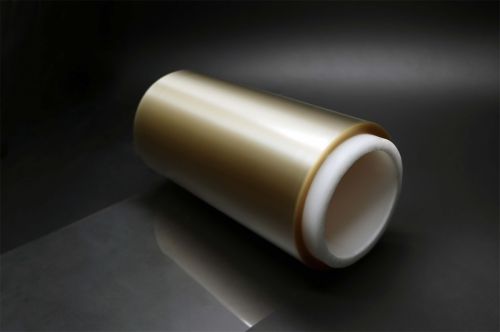
Dafu New Materials (Foshan Dafu New Materials Co., Ltd.) has established itself as a leading manufacturer of specialty engineering plastic films, with Polysulfone (PSU) film representing one of their flagship product lines. Founded in 2009, Dafu specializes in the research and development of high-performance thermoplastic films, including PEEK film, PEI film, PPSU film, and Polysulfone (PSU) film.
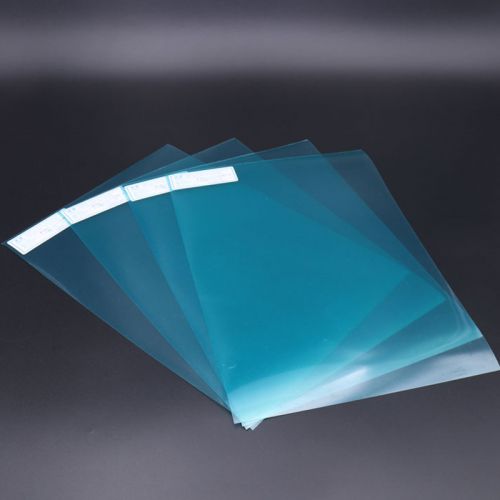
Dafu's Polysulfone (PSU) film products embody the full spectrum of PSU plastic's exceptional properties:
- Superior thermal performance – Dafu PSU film maintains stability at elevated temperatures
- Excellent mechanical strength – High tensile and tear resistance in film form
- Outstanding chemical resistance – Resists hydrolysis and chemical attack
- Exceptional electrical insulation – Maintains dielectric properties across temperature ranges
- Low moisture absorption – Ensures dimensional stability
- Inherent flame retardancy – Halogen-free and self-extinguishing
1. Electrical and Electronics Industry
Polysulfone (PSU) finds extensive application in the electrical and electronics sector, where its combination of thermal stability and electrical insulation properties proves invaluable. Common PSU applications in this industry include:
- Connectors and contactors
- Coil bodies and bobbins
- High-frequency insulators
- Lamp sockets and protection caps
- Transformer insulation components
- Integrated circuit substrates
- Switch components
The ability of Polysulfone (PSU) to maintain its electrical properties across a wide temperature range makes it particularly suitable for components subjected to heat generation during operation.
2. Automotive Applications
The automotive industry has increasingly embraced Polysulfone (PSU) for components requiring exceptional heat resistance and chemical durability. PSU plastic is particularly well-suited for:
- Engine compartment components
- Transmission system parts
- Electrical connectors and wiring harnesses
- Fuel system components
- Under-hood applications where temperatures are elevated
Polysulfone (PSU)'s resistance to automotive fluids, oils, and other corrosive substances ensures long-term reliability in demanding vehicle environments.
3. Medical and Healthcare
Polysulfone (PSU) has become a material of choice in medical applications due to its biocompatibility, sterilizability, and chemical resistance. PSU plastic is widely used in:
- Medical device housings
- Surgical instrument components
- Autoclavable equipment
- Dialysis membranes and filtration systems
- Pharmaceutical processing equipment
The ability of Polysulfone (PSU) to withstand repeated steam sterilization cycles without degradation makes it invaluable in healthcare settings.
4. Food and Beverage Processing
Polysulfone (PSU) is FDA-approved for food contact applications, making it suitable for a wide range of food processing and handling equipment. PSU applications in this sector include:
- Food processing equipment components
- Dairy processing machinery
- Beverage processing systems
- Microwave cookware and food containers
- Food handling and dispensing equipment
The non-toxic nature of Polysulfone (PSU) and its resistance to food-grade cleaning agents ensure safety and longevity in food processing environments.
5. Membrane and Filtration Applications
Polysulfone (PSU) is extensively used in membrane filtration applications due to its combination of mechanical strength, chemical resistance, and thermal stability. PSU membranes are employed in:
- Water treatment and purification
- Wastewater treatment
- Blood processing and renal dialysis
- Gas separation
- Pharmaceutical purification
The porous membrane structures made from Polysulfone (PSU) offer excellent dirt-holding capacity and flow characteristics, making them highly effective in separation processes.
Polysulfone (PSU) vs. PPSU vs. PES: Understanding the Differences
While Polysulfone (PSU), Polyphenylsulfone (PPSU), and Polyethersulfone (PES) all belong to the sulfone polymer family, each offers distinct performance characteristics:
- Polysulfone (PSU) – The foundational member offering excellent balance of properties at a competitive cost point. PSU provides outstanding thermal stability (continuous use to 160°C), good chemical resistance, and excellent electrical insulation.
- PPSU – Offers the highest continuous use temperature (180°C) and superior impact resistance compared to PSU and PES, though with slightly reduced weather resistance.
- PES – Provides the highest temperature resistance and tensile modulus among the three, with better chemical resistance and adhesion to metals.
The selection among these materials depends on specific application requirements, with Polysulfone (PSU) often representing the optimal balance of performance and value.
Market Outlook for Polysulfone (PSU)
The global Polysulfone (PSU) market continues to experience steady growth, driven by increasing demand from automotive, healthcare, electrical and electronics, and industrial applications. The global PSU market was estimated at approximately $280-316 million in 2024, with projections indicating growth to $395-420 million by 2033, representing a compound annual growth rate (CAGR) of approximately 4.4%-4.6%. The reinforced PSU plastic segment is expected to grow even more rapidly, from $658 million in 2025 to $942 million by 2031 at a CAGR of 6.2%.
This growth trajectory reflects the increasing recognition of Polysulfone (PSU) as a high-performance thermoplastic that enables innovation across multiple industries.
Conclusion
Polysulfone (PSU) stands as a premier high-performance thermoplastic that continues to prove its value across the most demanding engineering applications. With its exceptional thermal stability, outstanding mechanical properties, excellent chemical resistance, and superior electrical insulation characteristics, PSU plastic offers engineers a reliable solution for components that must perform in extreme environments.
Dafu New Materials' Polysulfone (PSU) film products embody these exceptional properties, delivering the performance and reliability that modern industries demand. As the global Polysulfone (PSU) market continues its growth trajectory, this versatile engineering plastic will undoubtedly play an increasingly important role in advancing technology across electronics, automotive, medical, food processing, and filtration applications.
For more information about Dafu New Materials' Polysulfone (PSU) film and other high-performance thermoplastic solutions, visit https://www.gddafu.com/ or contact 0757-81809566, 18126644882.