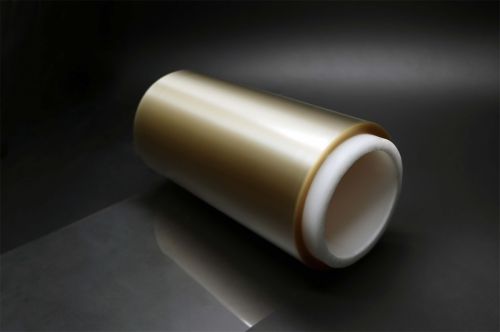
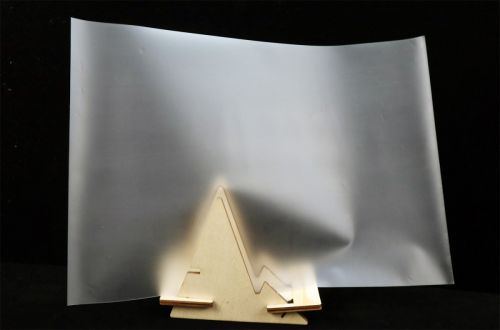
Reusable device components may face repeated steam, drying, cleaning chemicals and handling while still needing reliable identification or insulation.
Review the PPSU Film page, the manufacturer website and the related product range near the start of the project. These pages support selection, while the finished package or component must pass the customer’s own validation.
Translate reuse into a cycle profile
State sterilization temperature, pressure, dwell, drying, cleaning chemistry and expected number of cycles. A one-time heat test does not represent repeated hydrothermal exposure. Define whether the part is a label, window, insulating barrier or formed component, because each has different failure criteria.
Why PPSU may be considered
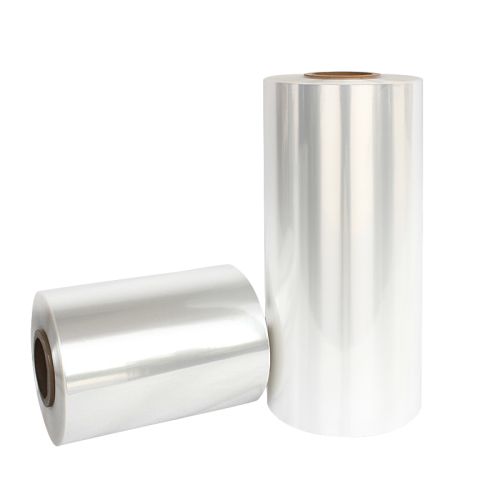
PPSU is associated with demanding hydrothermal applications and can be evaluated where repeated sterilization matters. Film form allows thin, printed, cut or formed components. The supplier should identify the exact film grade; the medical-device manufacturer remains responsible for biocompatibility, sterilization and regulatory qualification of the final device.
Markings and bonds often fail first
Ink fading, label lift, adhesive softening and edge curl can make a component unusable before the base film breaks. Test the complete print and adhesive stack. Include folds, holes and fasteners, because local stress and retained moisture can accelerate failure around converted features.
Create an end-of-life definition
Decide what constitutes failure: color shift, loss of legibility, dimensional change, cracking, bond loss or electrical leakage. Inspect at planned cycle intervals rather than only at the end. This helps the device owner understand degradation and set a justified replacement or inspection policy.
Supplier information for a real project
Send the device function, cycle profile, chemicals, part dimensions, conversion process, required documentation and forecast volume. Request representative material and traceability. Avoid asking the film supplier to make compliance claims that depend on the final device, sterilization process or market authorization.
Evidence before a purchase decision
Define test conditions, sample preparation and acceptance criteria before comparing suppliers. Distinguish base-film data from converted-structure and finished-product results. Repeat critical measurements after printing, lamination, forming, sealing, sterilization, metallization or assembly when those steps can change performance. Keep a current approved control beside the candidate material.
Record grade, thickness, lot, orientation, machine settings and sample location. Include failures and variation, not only the best result. Do not invent performance values, certifications or shelf-life improvements. Use confirmed supplier data and clearly assign final-product validation to the brand or equipment owner.
Approval gates for the customer team
Separate the project into material screening, conversion trial, finished-product testing and commercial approval. Engineering should confirm functional performance. Production should confirm the operating window and usable yield. Quality should define incoming checks, retained samples and nonconformance handling. Purchasing should confirm volume, lead time, packaging, logistics and change notification. Marketing or product management should approve appearance and any environmental claim. A project should not move to volume simply because one department likes the first sample.
Document the current approved construction as the control. Process it beside the candidate whenever possible and compare results under the same conditions. If the new material needs different machine settings, record the reason and prove that the adjusted window is stable. Keep samples from early, middle and later production. This approach reveals variation and makes the final decision easier to defend during customer audits, complaint investigations and repeat orders. Assign an owner and deadline to every open test so unresolved risks remain visible before the final production purchase order is released and scheduled. Review the remaining risks during the first production run and close them only when evidence from representative production output fully supports the documented sourcing decision.
Move from interest to a quotation
Send the application, current material, required dimensions, annual volume, destination, project schedule and test plan. State the business reason for changing material and attach drawings, failed samples or package structures when available. Ask for a project-specific sample, commercial terms and technical review.
Agree on pilot quantity, decision date, production scale-up and change-control expectations. Evaluate total usable yield, qualification effort, downtime and supply reliability alongside unit price. This turns a general product inquiry into a sourcing project that both sides can support.
Frequently asked questions
Does PPSU film make a device sterilizable?
No. Sterilizability and reuse must be validated for the complete device and exact process.
Can printed PPSU be approved from base-film data?
No. Inks, adhesives and converted features need repeated-cycle testing.
Is appearance only cosmetic?
Not when color or legibility supports instructions, identification or inspection.
What is the first sample test?
Use the intended converted part and run the actual cleaning, sterilization and drying sequence.
Discuss your application
Contact the technical sales team with your project details and expected demand. The supplier can then recommend a relevant grade, sample width or sheet size and the validation information required before production approval.