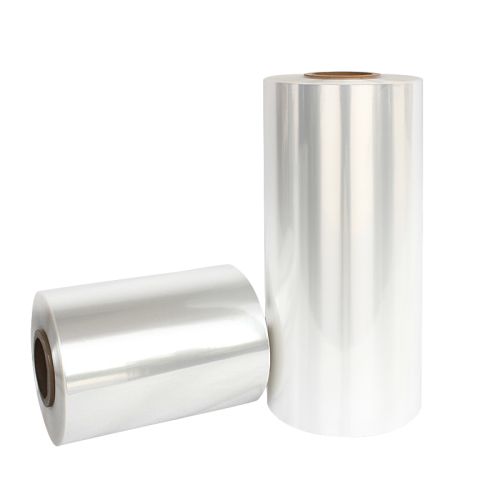
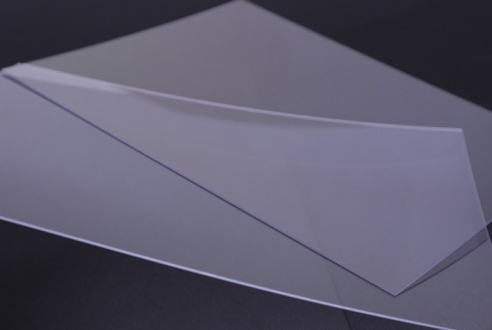
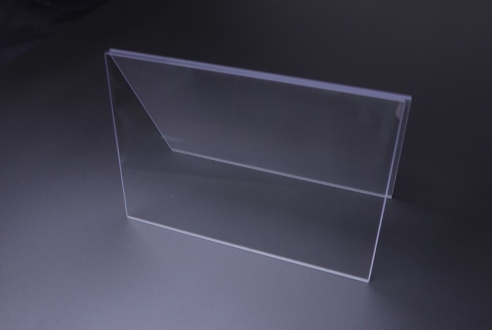
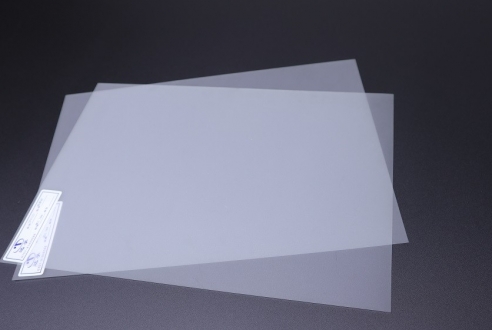
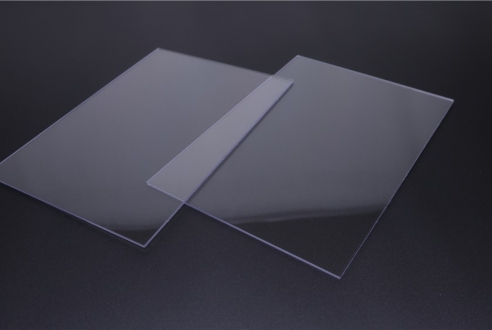
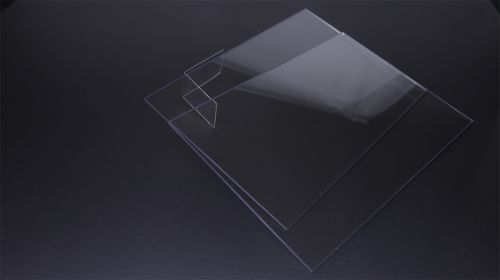
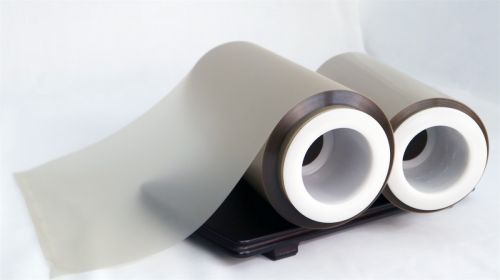
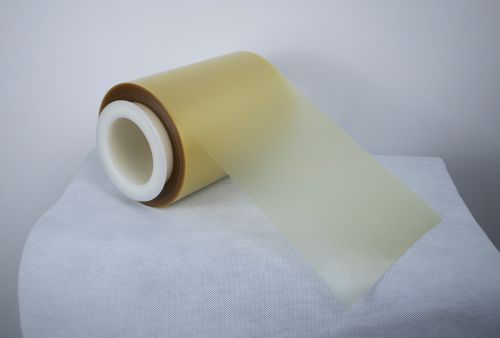
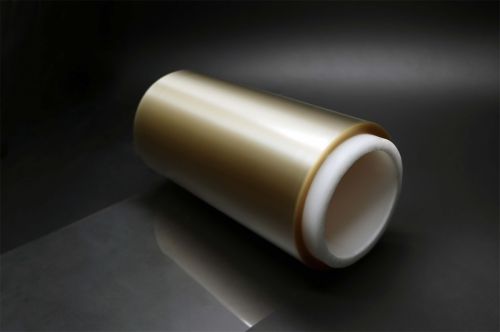
Battery packs need thin electrical separation that remains positioned near conductors, heat sources, fasteners and tight assembly features.
Review the PEI Film page, the manufacturer website and the related product range near the start of the project. These pages support selection, while the finished package or component must pass the customer’s own validation.
Begin with the insulation location
A busbar cover, terminal barrier, module separator and enclosure liner see different voltage, temperature and mechanical stress. Map the conductive parts, edge distances, fasteners and possible movement. The film grade and thickness should follow the exact location rather than a general battery-insulation label.
Why PEI enters the shortlist
PEI film is considered for projects needing an engineering thermoplastic with thermal capability, electrical-insulation potential and formability. It may suit die-cut or formed barriers in compact assemblies. Selection still requires grade-specific data and complete pack validation; generic resin properties are not approval evidence.
Design around edges and fasteners
Stamped metal burrs, sharp busbar corners and screw pressure can cut a thin barrier. Add radii, controlled clearances and mechanical retention where needed. If adhesive is used, test the bonded stack after heat and environmental exposure. A film that shifts during assembly does not provide the intended coverage.
Qualification belongs in the pack
Test thickness, dimensions, dielectric behavior, formed areas and cut edges. Then evaluate the installed part through thermal cycling, vibration, humidity and electrical tests required by the battery program. Inspect after disassembly to find hidden abrasion, creep or local compression.
What procurement should request
Provide the part drawing, thickness target, voltage, hot-spot temperature, forming or cutting method, adhesive, annual demand and quality requirements. Ask for grade identity, lot traceability, width capability, packing and change notification. These details support both engineering approval and supply planning.
Evidence before a purchase decision
Define test conditions, sample preparation and acceptance criteria before comparing suppliers. Distinguish base-film data from converted-structure and finished-product results. Repeat critical measurements after printing, lamination, forming, sealing, sterilization, metallization or assembly when those steps can change performance. Keep a current approved control beside the candidate material.
Record grade, thickness, lot, orientation, machine settings and sample location. Include failures and variation, not only the best result. Do not invent performance values, certifications or shelf-life improvements. Use confirmed supplier data and clearly assign final-product validation to the brand or equipment owner.
Approval gates for the customer team
Separate the project into material screening, conversion trial, finished-product testing and commercial approval. Engineering should confirm functional performance. Production should confirm the operating window and usable yield. Quality should define incoming checks, retained samples and nonconformance handling. Purchasing should confirm volume, lead time, packaging, logistics and change notification. Marketing or product management should approve appearance and any environmental claim. A project should not move to volume simply because one department likes the first sample.
Document the current approved construction as the control. Process it beside the candidate whenever possible and compare results under the same conditions. If the new material needs different machine settings, record the reason and prove that the adjusted window is stable. Keep samples from early, middle and later production. This approach reveals variation and makes the final decision easier to defend during customer audits, complaint investigations and repeat orders. Assign an owner and deadline to every open test so unresolved risks remain visible before the final production purchase order is released and scheduled. Review the remaining risks during the first production run and close them only when evidence from representative production output fully supports the documented sourcing decision.
Move from interest to a quotation
Send the application, current material, required dimensions, annual volume, destination, project schedule and test plan. State the business reason for changing material and attach drawings, failed samples or package structures when available. Ask for a project-specific sample, commercial terms and technical review.
Agree on pilot quantity, decision date, production scale-up and change-control expectations. Evaluate total usable yield, qualification effort, downtime and supply reliability alongside unit price. This turns a general product inquiry into a sourcing project that both sides can support.
Frequently asked questions
Can PEI replace every existing battery insulation film?
No. Compare thermal, electrical, chemical, forming and mechanical needs at the actual part location.
Is thicker film always safer?
Not necessarily. Thickness affects fit, forming and assembly, and safety must be established by the complete design.
Should adhesive be included in electrical testing?
Yes when it is part of the installed construction because it changes interfaces and spacing.
Who approves the material?
The battery-system owner approves the grade and converted part under the program’s validation plan.
Discuss your application
Contact the technical sales team with your project details and expected demand. The supplier can then recommend a relevant grade, sample width or sheet size and the validation information required before production approval.