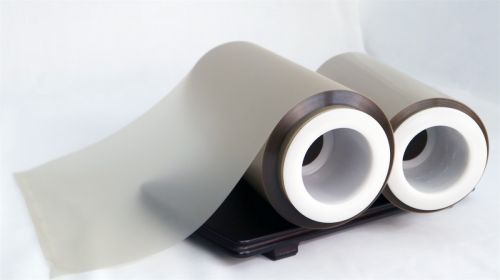
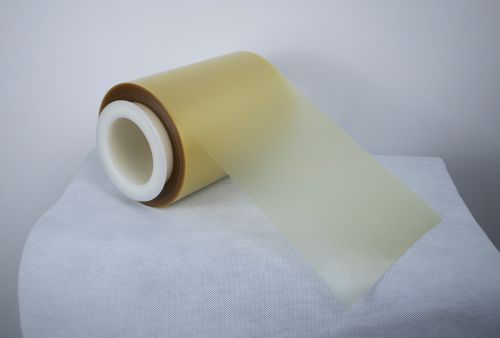
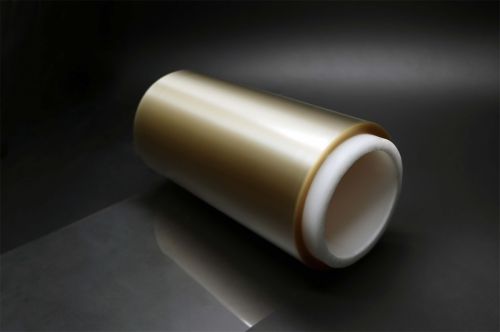
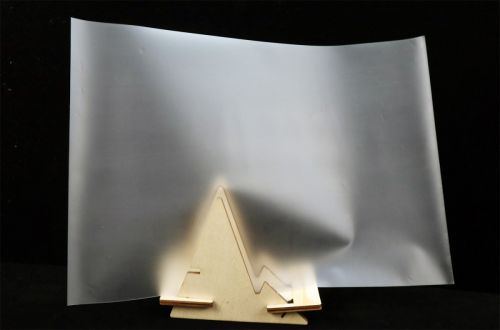
Medical-equipment parts may need repeated cleaning or steam exposure while retaining shape, markings, adhesion and electrical separation.
Review the PPSU Film page, explore the manufacturer website, and compare the related material range before fixing the trial specification.
Start with the sterilization protocol
State the temperature, pressure, cycle time, drying stage, number of cycles and cleaning chemicals. The word sterilizable is too broad for material approval. PPSU is often considered for repeated hydrothermal exposure, while PEI may be considered where thermal and electrical requirements lead. The actual grade and film construction must still be tested.
Separate visible aging from functional failure
Color change, haze or surface marks affect identification windows and labels. Dimensional movement can misalign holes or expose conductors. Adhesive loss can detach an insulation part even when the film remains intact. Define which outcomes are cosmetic and which create a safety or assembly failure.
Compare conversion routes
Both films may be slit, printed, die cut, formed or bonded, but tooling and process windows can differ. Drying, forming temperature, ink chemistry and adhesive choice need grade-specific trials. A material that survives steam as a loose coupon may fail where a tight bend, score or bonded edge concentrates stress.
Electrical requirements after cycling
Measure the property required by the design after conditioning and repeated sterilization, not only before exposure. Inspect creepage paths, cut edges, holes and fastener zones on the real part. Moisture retained after a cycle may change electrical behavior, so the drying and test timing should match the owner’s protocol.
How to make the selection
Choose PPSU when repeated hydrothermal durability is the dominant confirmed need and the grade meets the rest of the design. Consider PEI when its balance of thermal, electrical and forming behavior better fits the component. Do not generalize across all grades. Use identical part geometry and exposure for the final comparison.
Evidence needed before approval
Define the test method, sample preparation, conditioning and acceptance limit before comparing materials. Ask whether each reported value comes from an untouched film, a converted laminate or a finished component. These are different evidence levels. Repeat the most important tests after the process steps that can damage or change the material. Include samples from the beginning, middle and end of a representative roll or production run. Record failures as well as averages, because an isolated weak location can matter more than a strong mean value in demanding applications.
Do not add unsupported specifications simply to make the purchasing document look complete. Use confirmed supplier data where available, and mark package-level or assembled-part requirements as customer validation. If a property such as barrier, dielectric behavior, adhesion or dimensional stability is critical, state the temperature, humidity, frequency, direction, thickness and other test conditions that affect interpretation. This makes quotations comparable and reduces disputes after the first production trial.
Keep a control made from the current approved material and process it beside the new candidate whenever possible. Label every sample with the material lot, machine, date and process settings. A side-by-side control shows whether a change comes from the new film or from ordinary production variation. Review the result with production, quality and purchasing teams before changing the specification. Record the final reason for selection, open risks and responsible owner for each remaining test. Preserve these detailed records for repeat orders, supplier reviews, future scale-up decisions and later process changes.
Before full production, confirm incoming inspection items and the response plan for an out-of-specification result. Define who reviews the evidence, whether material is quarantined and which retained sample will be used. Clear responsibilities prevent a technical concern from becoming an uncontrolled production delay and give both buyer and supplier a practical route for corrective action.
Commercial next step
Send the current material or structure, target thickness and width, annual demand, delivery destination, process conditions and test requirements. Include failed samples, photographs or drawings when troubleshooting. Ask for a project-specific sample and quotation rather than a general catalogue request.
Agree on the trial quantity, decision date, responsible test laboratory and production scale-up route. Keep lot identity and process records from sampling through approval. This gives the supplier enough information to support a real sourcing decision and helps the buyer compare total conversion risk, not only unit price.
Frequently asked questions
Is PPSU always better than PEI for steam exposure?
Material families have different strengths, but the selected grades and converted parts must be tested under the exact cycle.
Can color change be ignored?
Only when appearance is not functional and the owner accepts it. For windows or identification parts, color may be critical.
Should adhesives be tested separately?
Test them as part of the bonded construction because interface failure can control part life.
What information should a medical-equipment buyer provide?
Provide cycle details, chemicals, part drawing, electrical requirement, conversion method, volume and applicable compliance process.
Discuss your project
Contact the technical sales team with your application, current problem and planned volume. A focused inquiry allows the supplier to recommend a relevant film grade, prepare sample dimensions and identify the validation work still required.