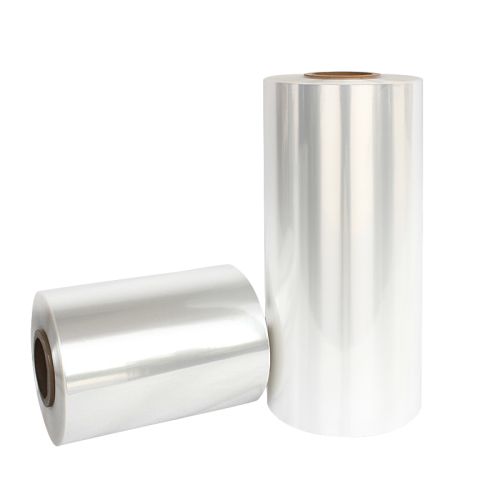
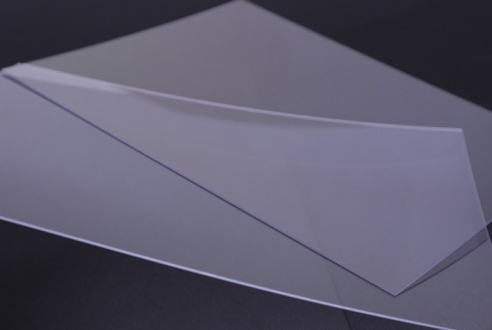
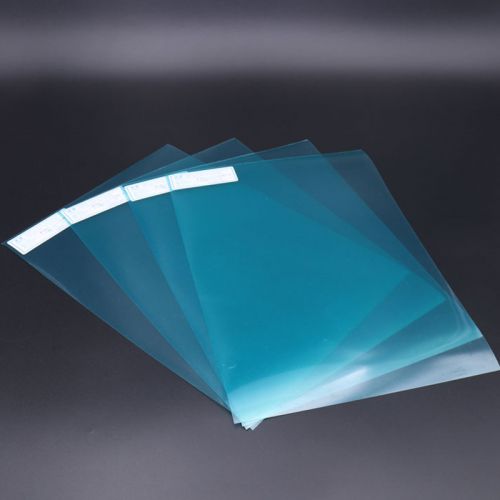
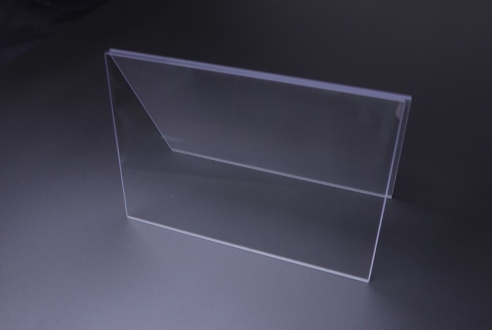
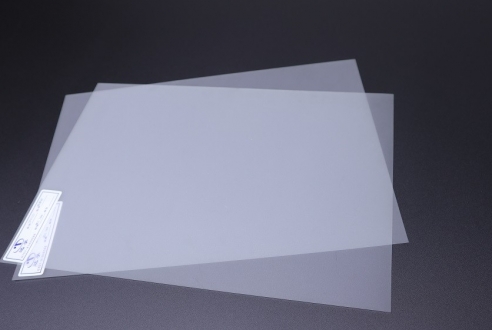
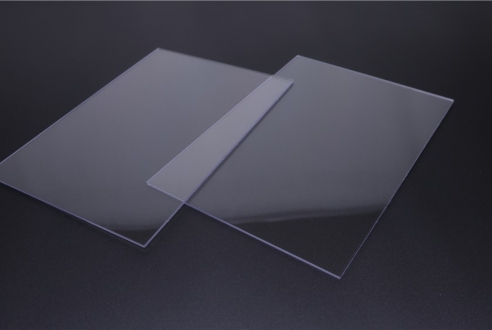
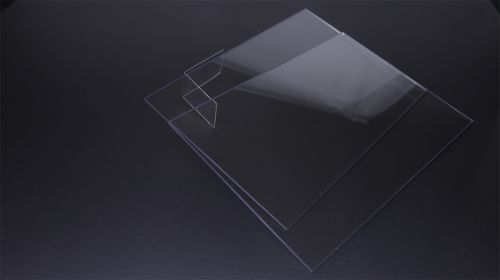
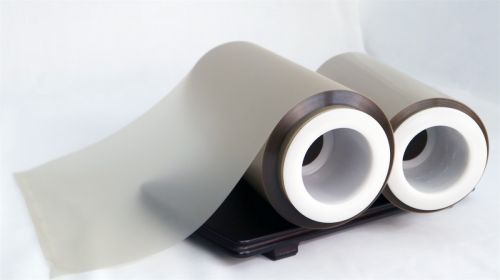
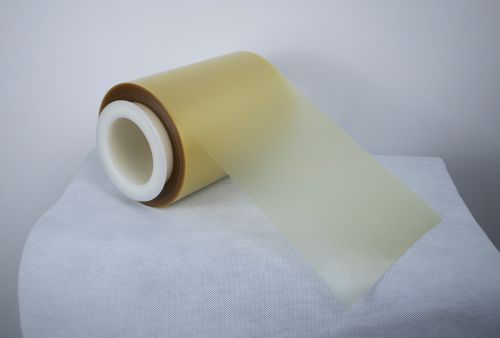
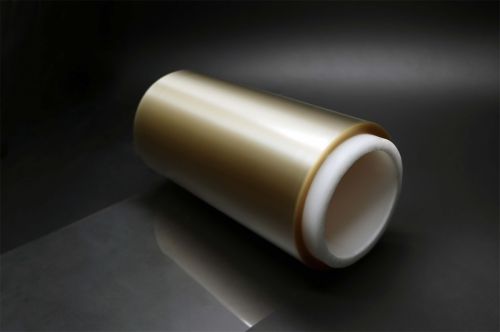
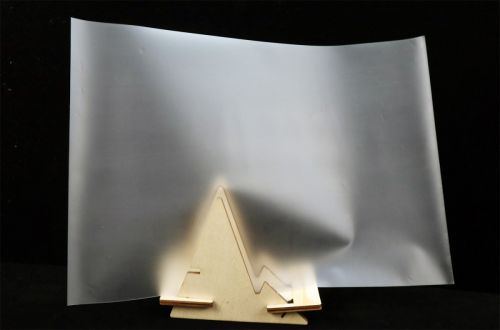
A modern center console may integrate icons, display windows, capacitive controls and decorative zones into one shaped surface. PC/PMMA composite film can place a hard, clear PMMA-facing surface over a tougher PC-supporting layer. This makes it relevant to insert molding and film-insert decoration projects where appearance and forming behavior must be balanced.
Review the PC/PMMA Composite Film page first, then compare the wider related film portfolio and the manufacturer website. These links help purchasing and engineering teams confirm the material family early, before they spend time on a structure that does not match the project.
The package or component problem
The most attractive flat-film sample can fail after forming or molding. Ink stretch, whitening, registration shift, edge cracking, trapped particles and stress around tight radii often appear late in development. Tool temperature, draw ratio, drying, ink system and gate location can influence the result as much as the base film.
Automotive center-console surfaces must combine printed graphics, formed geometry, gloss control and impact resistance while surviving molding and cabin exposure. That is why the specification should describe the real failure risk, the existing construction and the required validation method. A broad request for “high performance film” does not give a supplier enough information to select or reproduce the right grade.
How the film fits the construction
Define which surface faces the cabin, which side is printed, and how the decorated insert bonds to the molding resin. Keep protective masking and clean handling in the process plan. The film thickness and forming window should be selected for the component geometry rather than copied from a flat badge or small overlay.
Keep the bill of materials controlled during trials. Record film grade, thickness, treatment or coating side, adhesive or ink batch, process settings and conditioning time. If several variables change together, an apparently successful sample gives little guidance for production troubleshooting.
Conversion risks to address early
Incoming-film inspection should cover roll identification, width, winding condition and visible surface defects. During conversion, watch tension, heat exposure, contact pressure, contamination and edge damage. These basic controls often determine whether laboratory properties are retained in the finished part.
Operators should label samples by process stage and location across the web. Retain flat film, converted laminate or printed sheet, and finished-package or assembled-part samples. This makes it easier to determine whether a problem started in the material, conversion process or final use.
Qualification plan
Inspect optical distortion, haze, gloss uniformity, print registration, formed corners and molded edges. Add abrasion, cleaning-agent, humidity, thermal cycling and impact tests required by the vehicle program. Evaluate capacitive or display performance on the assembled module when those functions are present. Do not infer final approval from resin data alone.
Agree on acceptance criteria before the run. Test enough samples from different roll positions and production times to understand variation. A single attractive prototype is useful for learning, but it is not evidence of a stable manufacturing window.
Questions for the film supplier
- Which exact grade and thickness are recommended for this construction?
- Which surface faces printing, adhesive, sealing or the exposed environment?
- What storage, handling and pretreatment conditions should the converter follow?
- Which properties are measured on base film, and which require customer testing after conversion?
- How are production lots identified and supported during scale-up?
What buyers should send with an inquiry
Tier suppliers and decorative converters should provide CAD geometry, maximum draw, print stack, molding resin, surface target and environmental specification when requesting samples. A staged trial—printing, forming, trimming and molding—helps identify the failed interface and avoids committing production tooling before the material stack is stable.
Include the current failure mode and the decision date. Photos, drawings and test reports are more useful when their conditions are stated clearly. The supplier can then respond with a focused sample recommendation instead of a generic brochure.
From sample to production
Begin with a laboratory or pilot comparison, then move to a controlled machine trial and finally to the owner’s complete qualification. Preserve approved settings and reference samples. When production starts, incoming checks should confirm identity and obvious roll condition without pretending to replace process and end-use testing.
Commercial evaluation should also include usable width, minimum order, lead time, packaging, transport protection and technical response. A lower unit price may not reduce total cost if the grade creates unstable conversion, repeated trials or excessive waste.
Frequently asked questions
Can the film be approved from a datasheet alone?
No. Datasheets support material selection, but the converted structure and finished product must be tested under the intended process and use conditions.
Should buyers request the highest available performance?
Not automatically. Define the needed function and processing window first. Excess specification can add cost without resolving the actual failure mechanism.
What is the best way to compare two trial rolls?
Keep the construction and machine settings controlled, record roll and sample locations, and compare results using the same conditioning and test method.
What information speeds up a quotation?
Provide application, structure or drawing, thickness, width, volume, destination, validation conditions and any current problem. This reduces back-and-forth and makes the quotation technically relevant.
Request a project-specific sample
Send your application details and current construction to the sales team. Ask for a sample and technical discussion based on the intended process, qualification plan and purchasing volume.