In the world of advanced plastics and engineered materials, finding a solution that offers both extreme durability and glass-like transparency can feel impossible. Traditional acrylic (PMMA) shatters under impact, while polycarbonate (PC) scratches easily and lacks visual refinement. Enter the revolutionary solution: PCPMMA Composite Board.
Whether you are an architect designing a high-end facade, a manufacturer of electronic devices, or a signage expert, understanding the power of a PCPMMA sheet is essential for your next project. This guide will explore what PCPMMA is, its key benefits, and why it outperforms standard materials.
What Exactly Is PCPMMA Composite Board?
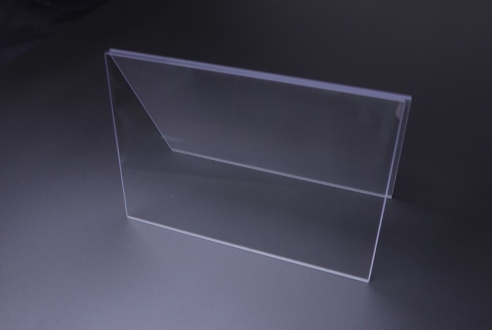
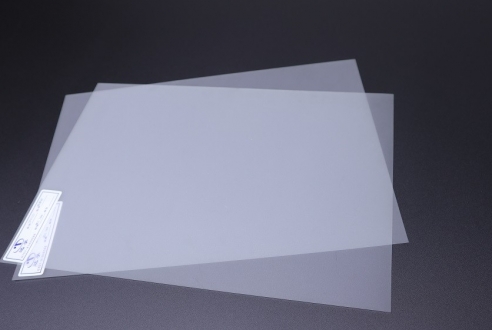
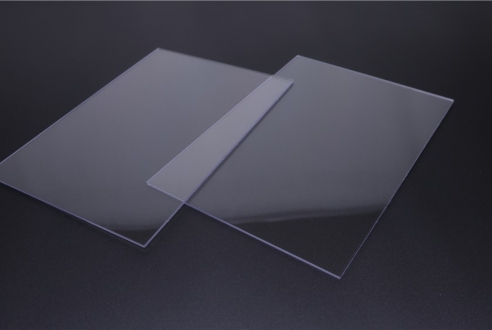
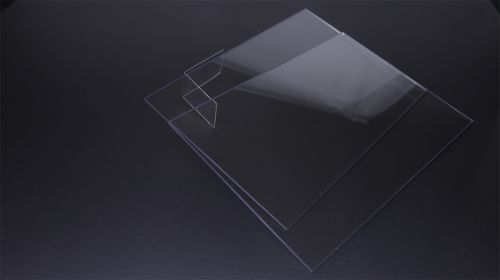
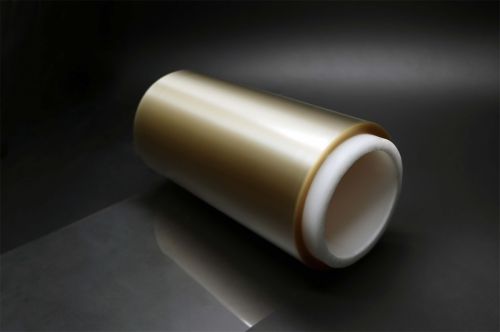
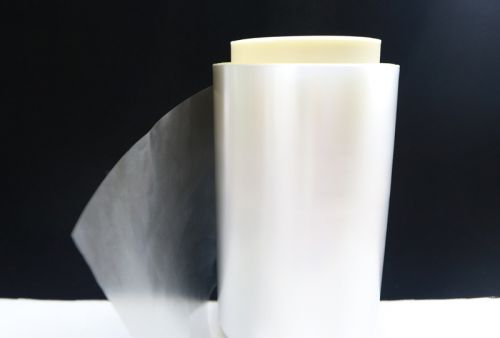
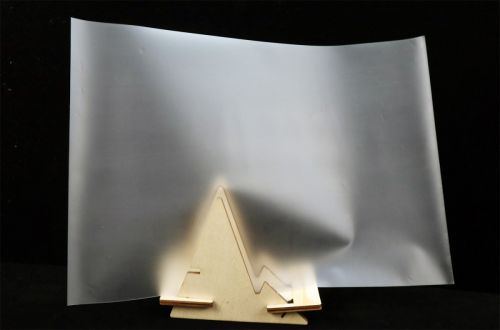
PCPMMA Composite Board is a multi-layer or blended sheet material specifically engineered by combining Polycarbonate (PC) and Polymethyl Methacrylate (PMMA).
Think of it as the ultimate partnership:
- Polycarbonate (PC) contributes legendary impact resistance and superior thermal stability. It acts as the shield, absorbing shocks that would crack glass or acrylic.
- Polymethyl Methacrylate (PMMA), commonly known as Acrylic or Plexiglas, provides exceptional optical clarity—often exceeding 92% light transmission—along with a hard, scratch-resistant surface.
By bonding these two polymers, manufacturers eliminate each other's weaknesses. You no longer have to compromise between toughness and transparency.

Key Advantages of Choosing PCPMMA Sheets
Switching to a PCPMMA composite board offers a range of performance benefits that make it the superior choice for demanding applications.
1. Unmatched Impact Resistance & Safety
Safety is paramount in construction and public spaces. Unlike brittle glass or pure acrylic, PCPMMA sheets possess the phenomenal toughness of polycarbonate. They do not shatter upon impact. This makes them ideal for hurricane-proof glazing, safety guards, and protective barriers where human safety is a priority.
2. Superior Optical Clarity & Surface Quality
While PC alone is tough, its soft surface tends to haze over time due to abrasion. By incorporating PMMA as the outer layer(s), the composite board achieves a pristine, glossy finish that rivals glass. There are no distracting swirl marks or cloudiness. Furthermore, the composite structure minimizes internal stress, preventing warping and ensuring long-term dimensional stability.
3. Enhanced Weathering and UV Stability
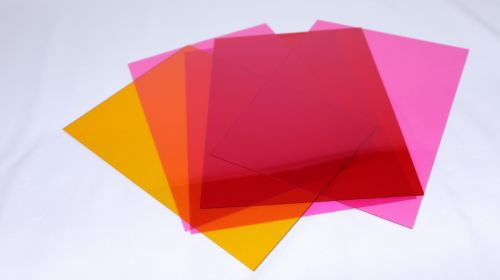
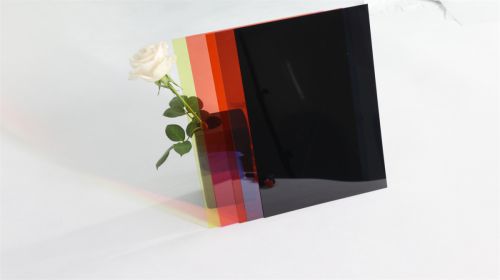
Standard acrylic yellows when exposed to UV radiation over time. Standard PC can degrade and turn cloudy. High-quality PCPMMA composite boards are engineered with advanced UV stabilization layers. This protects the molecular structure from breaking down, ensuring that the vibrant colors (in tinted versions) and crystal clarity last for years outdoors without significant degradation.
4. Scratch Resistance and Easy Maintenance
The PMMA surface layer acts as a sacrificial shield against everyday wear and tear. Whether it’s cleaning crews using harsh chemicals or customers brushing past a display case, the surface resists scratching far better than pure PC. This maintains the aesthetic appeal of your installation for decades.
Common Applications for Transparent PCPMMA Panels
Due to its versatile nature, transparent color PCPMMA sheet finds use across dozens of industries.
- Architectural Glazing: Used for skylights, canopies, and balcony railings where safety glass is too heavy or expensive.
- Transportation: Aircraft windows, train windshields, and high-end motorcycle fairings benefit from the lightweight yet durable nature of the composite.
- Consumer Electronics: Premium smartphone back panels, tablet covers, and smart home device housings utilize PCPMMA for its glossy finish and structural integrity.
- Advertising & Signage: Large format light boxes and illuminated signs require materials that won't yellow or crack. PCPMMA delivers vibrant, lasting graphics.
Choosing the Right Supplier for Your PCPMMA Needs
Not all composite boards are created equal. When sourcing PCPMMA sheets for your business, look for suppliers who offer:
- Consistent Quality Control: Ensure the lamination process is flawless with no delamination or bubbles.
- Customization Options: The ability to produce sheets in various thicknesses (from 1mm to 12mm+) and custom sizes.
- Optical Grade Standards: For applications requiring precision light transmission, verify the specs meet optical-grade tolerances.